
The title “Do we live to work or work to live?” is a question that has been widely debated among both academics and the general public. On the one hand, some argue that the purpose of life is to work and succeed in a career, while others argue that work is simply a way to enjoy life and fulfill personal goals outside of the workplace.

Those who believe we live for work argue that a fulfilling career is essential to a happy and successful life. In modern society, work is often associated with status and achievement, and profession is an important factor in shaping a person’s identity. For individuals, the value of work is not only in monetary compensation, but in the meaning of fulfillment, growth and self-actualization.
At the other end of the spectrum, proponents of the “work for life” argument argue that work is a necessary but not sufficient condition for a fulfilling life. They argue that too much focus on work can lead to burnout, stress, and ultimately a lower quality of life. They argue that life is more than just work and that people should strive to achieve balance by engaging in other activities that enrich their lives. Leisure activities such as spending time with friends and family, learning new skills, and pursuing hobbies can be just as fulfilling as work. After all, extracurricular activities can have the same effect as work.

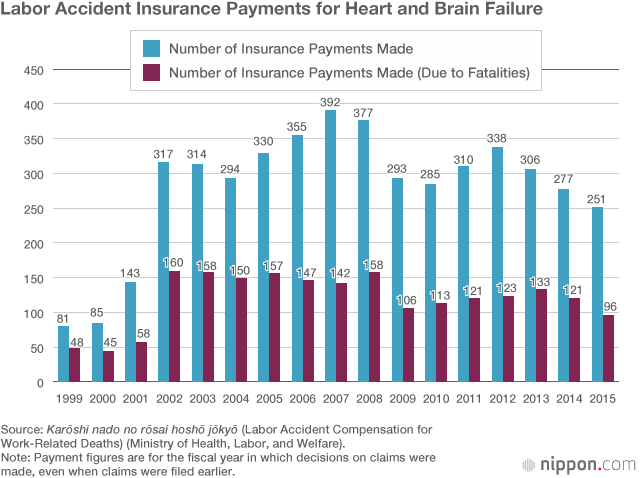
It’s worth noting that social norms and expectations vary across cultures, and what is seen as the ideal work-life balance in one society may not apply to another. In other words, it is not always that work is accepted in the same way by different nations. For example, in Japan (as well as Hong Kong, South Korea) the phenomenon of karoshi (death from overwork) is widespread, and work is often seen as a lifelong commitment. In contrast, in countries such as Denmark, the government has implemented policies aimed at promoting a better work-life balance, such as reduced working hours and generous parental leave provisions. As an example, we can also consider other developed European countries, such as Norway, Finland, Estonia.

It turns out that the debate of whether we live for work or work for life is an ongoing discourse that still remains unresolved. While some are satisfied with their work and do it with satisfaction, others try not to focus at all on this difficult activity period of life. Although humanity is capable of bringing it to balance.
We all hesitate, and I am no exception. After the examples and the presented facts, I should mention only that I am going to connect, fuse and balance these two conflicting poles in the future, because both are very important. Indeed, there are people who work to live, and there are people who live to work, and I will live to live, and I will work to work.
 Դավիթ Մուրադյան