
From the scientific point of view stress is the body’s natural defense against predators and danger. It causes the body to flood with hormones that prepare its systems to evade or confront danger. People commonly refer to this as the fight-or-flight mechanism.
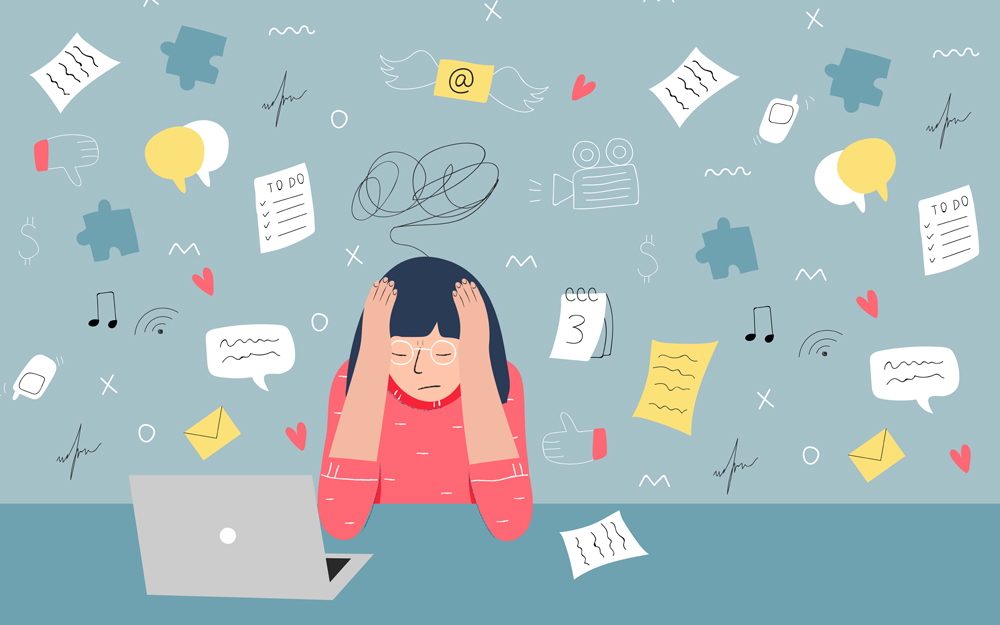
When humans face a challenge or threat, they have a partly physical response. The body activates resources that help people either stay and confront the challenge or get to safety as fast as possible.
The body produces larger quantities of the chemicals cortisol, epinephrine, and norepinephrine. These trigger the following physical reactions:
- increased blood pressure
- heightened muscle preparedness
- sweating
- alertness
We talked about physical reactions, but now let’s talk about physical effects, about its types.
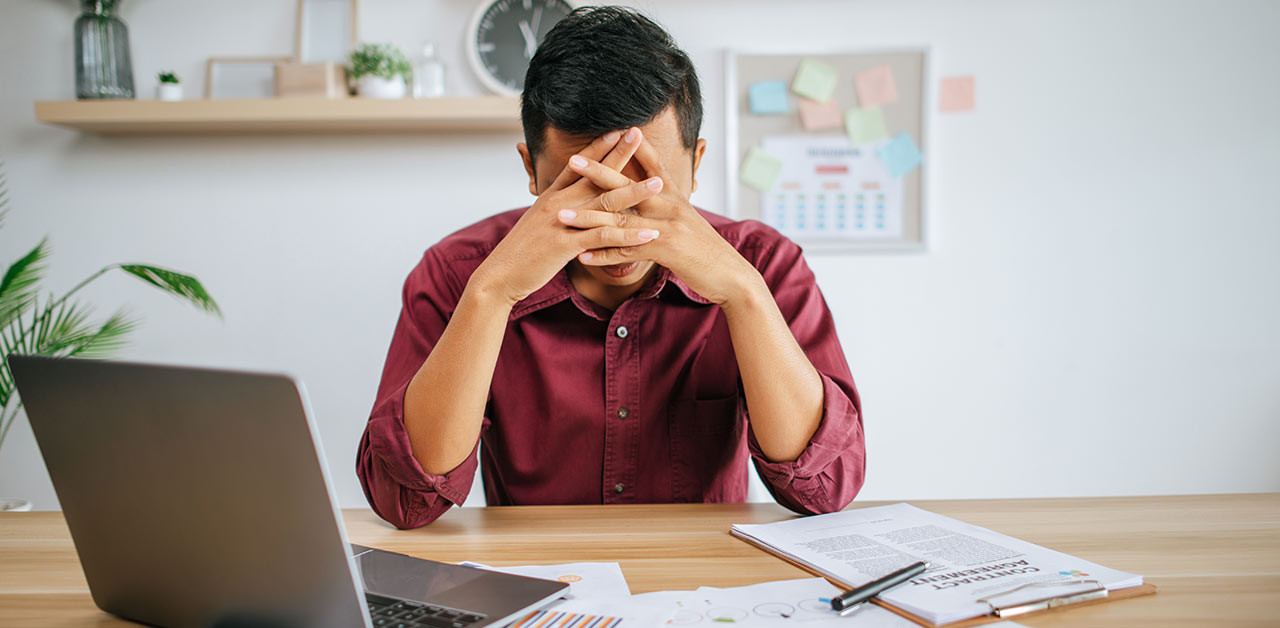
The body changes in the following ways during a stress reaction:
- blood pressure and pulse rise
- breathing speeds up
- digestive system slows down
- immune activity decreases
- muscles become more tense
- sleepiness decreases due to a heightened state of alertness
However, we’ve talked about physical effects, reactions, but now we’re going to concentrate on the main factors of stress and answer to few questions.
What causes stress?
Many things can cause stress. You might feel stressed because of one big event or situation in your life. Or it might be a build-up of lots of smaller things.
This might make it harder for you to identify what’s making you feel stressed, or to explain it to other people.
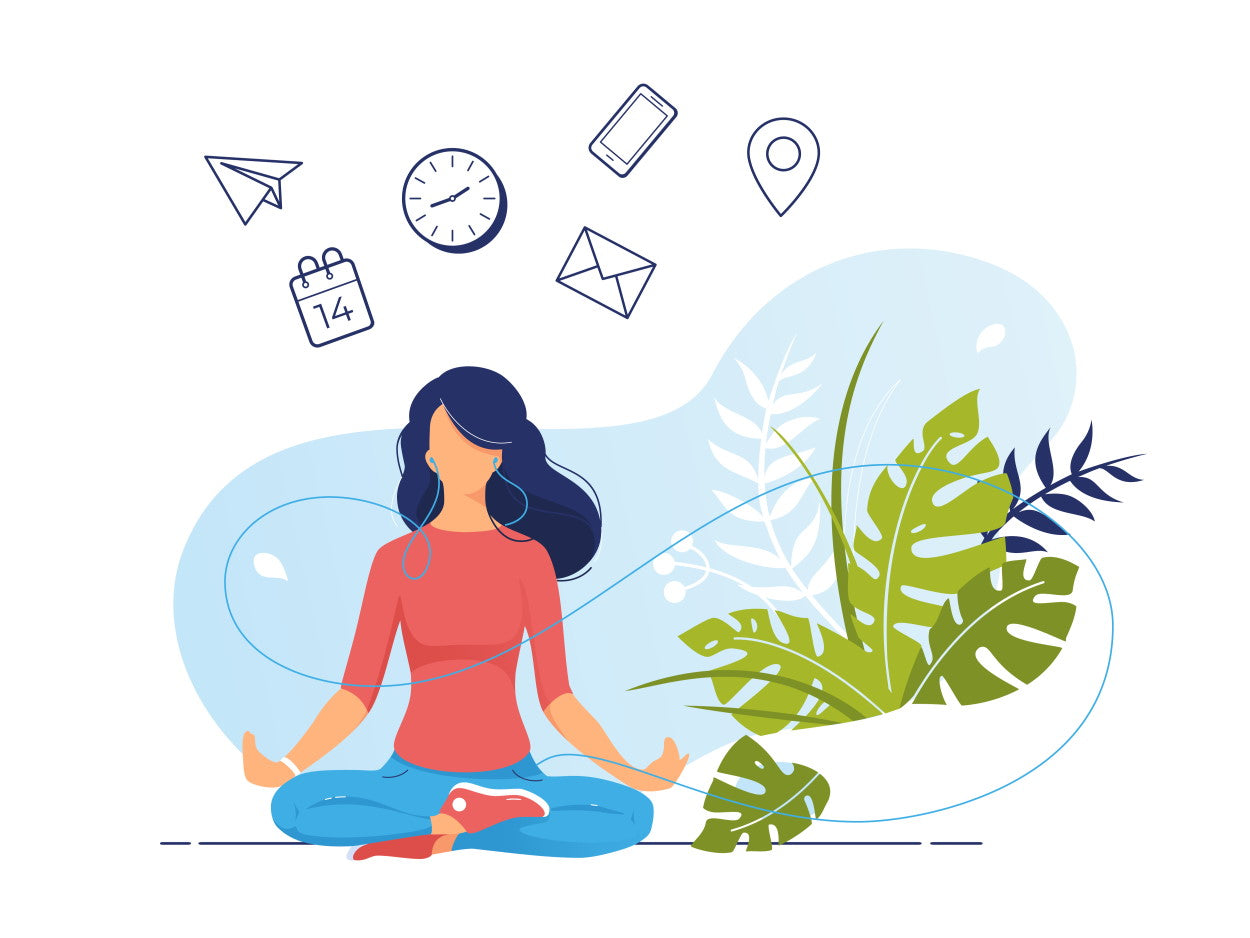
You may experience stress if you:
- Feel under lots of pressure
- Face big changes in your life
- Are worried about something
- Don’t have much or any control over the outcome of a situation
- Have responsibilities that you find overwhelming
- Don’t have enough work, activities or change in your life
- Experience discrimination, hate or abuse
- Are going through a period of uncertainty
Why do certain things make me feel stressed?
How stressed you feel in different situations may depend on factors like:
- How comfortable you feel in certain types of situation
- What else you are going through at the time
- Your past experiences, and how these affect the way you feel about yourself
- The resources you have available to you, such as time and money
- The amount of support you have from other people
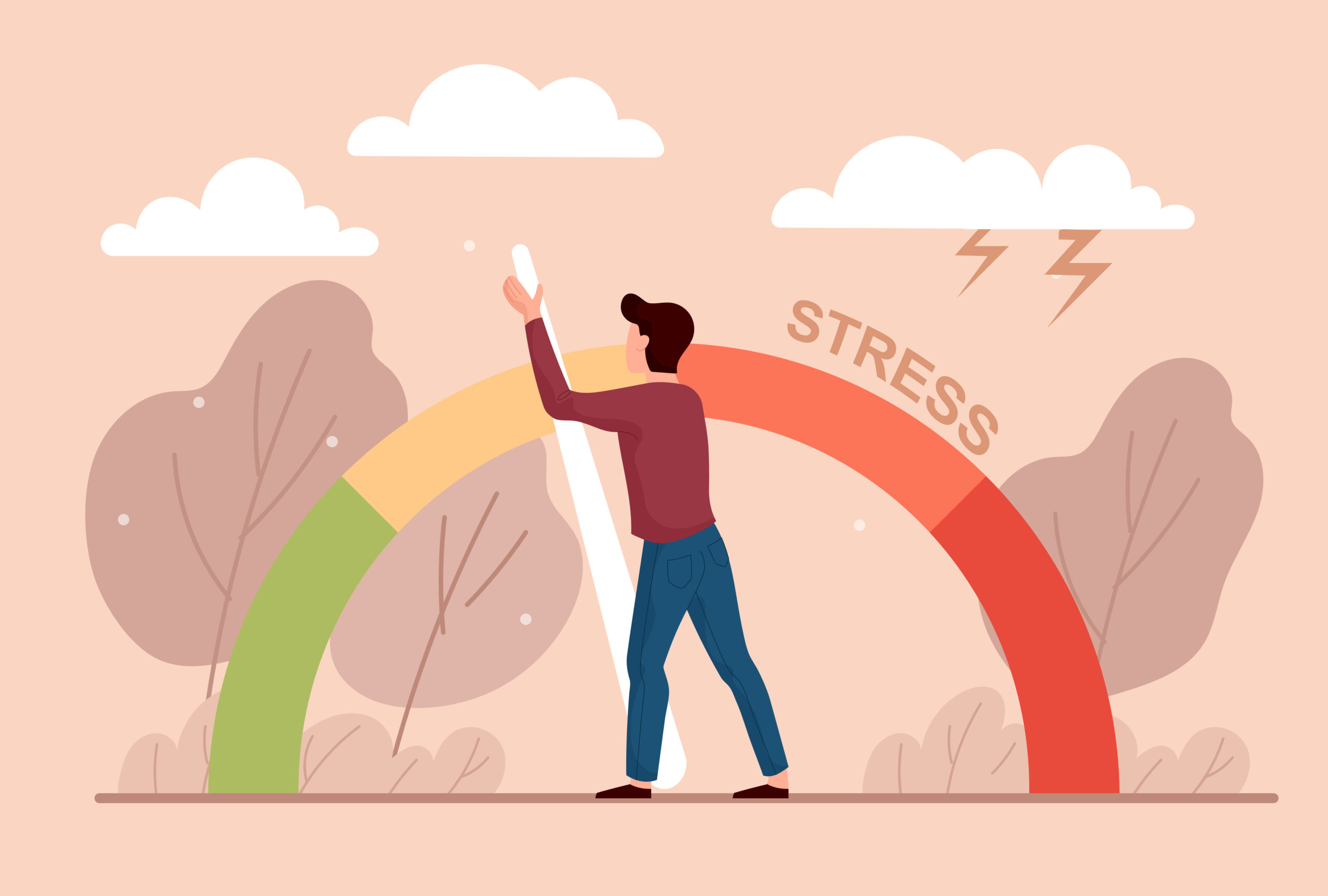
What kind of situations can cause stress?
Many things can cause stress in different areas of our lives. We can devide to some types. These may include:
Personal
- Illness or injury
- Pregnancy and becoming a parent
- Infertility and problems having children
- Bereavement
- Experiencing abuse
- Experiencing crime and the justice system, such as being arrested, going to court or being a witness
- Organizing a complicated event, like a holiday
- Everyday tasks, such as household chores or taking transport
Friends and family
- Getting married or civil partnered
- Going through a break-up or getting divorced
- Difficult relationships with parents, siblings, friends or children
- Being a career
Employment and study
- Losing your job
- Long-term unemployment
- Retiring
- Exams and deadlines
- Difficult situations or colleagues at work
- Starting a new job
Housing
- Housing problems, such as poor living conditions, lack of security or homelessness
Moving house - Problems with neighbors
Money
- Worries about money or benefits
- Living in poverty
- Managing debt
Social factors
- Having poor access to services such as medical care, green spaces or transport
- Living through a stressful community-wide, national or global event, like the coronavirus pandemic
- Experiencing stigma or discrimination, including racism, homophobia, biphobia or transphobia
 Դավիթ Մուրադյան