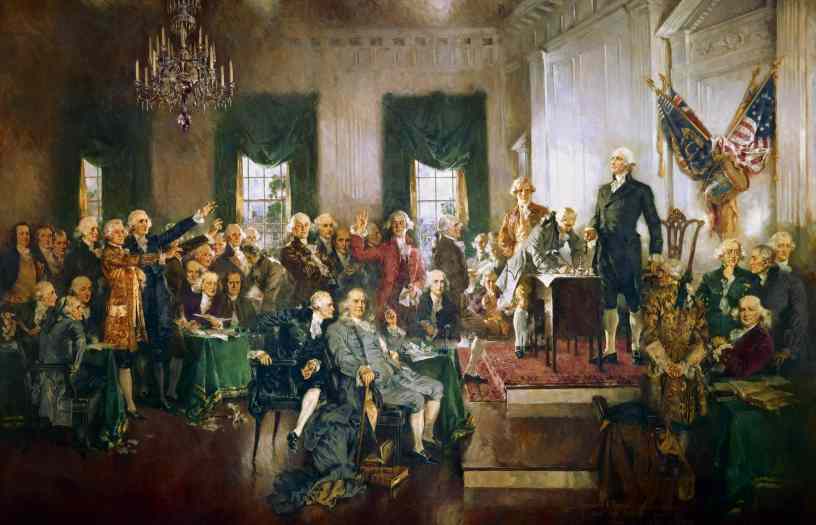
Religion has consistently played a significant role in political movements throughout history. It offers a powerful source of shared values and identity, uniting individuals under a common cause. Religious ideologies can mobilize large groups, providing a moral framework for political action. The Civil Rights Movement, for example, drew heavily on the Black church’s organizational strength and spiritual guidance. However, this influence is not always positive, as religion can also be used to justify exclusion and conflict.
On the other hand, religious beliefs can be used to further agendas in politics, which can have negative effects. Extremist religious interpretations have the power to silence critics and promote sectarian conflict. The emergence of religious nationalism serves as an example of how religious identity may be utilised to create social division. Humanist democratic ideals are frequently undermined as a result of this deception. As a result, it is crucial to critically examine how religion affects politics.
Religious organisations continue to have influence over politics even in secularized states. They play an active involvement in advocacy, lobbying, and election mobilization. Religious beliefs often influence issues like abortion, the rights of sexual and gender minorities, and education. In democratic institutions, this leads to intricate conflicts. A careful balance between religious freedom and secular government is necessary to resolve these disputes.
In conclusion, religion’s role in political movements is multifaceted and complex. It can inspire positive social change or be exploited for harmful purposes. Understanding this dynamic is crucial for fostering inclusive and equitable societies. Balancing religious freedom with secular principles remains a vital challenge in modern politics.
 Դավիթ Մուրադյան