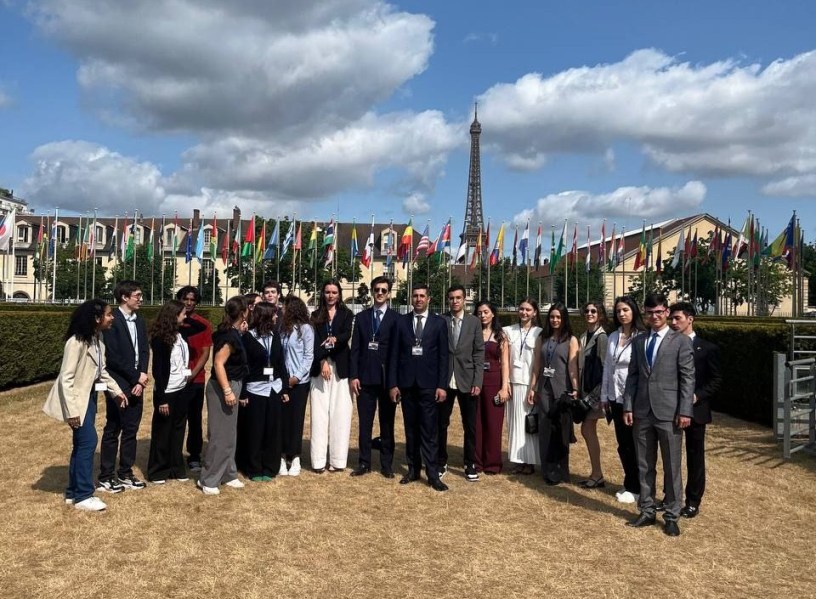
From May 30 to June 6, under the esteemed patronage of our YereMUN (Yerevan Model United Nations) organization, I participated in the “Diplomatic Week” program in Paris, the capital of the French Republic. The program aimed to enhance participants’ political and diplomatic knowledge, providing a comprehensive understanding of the intricate mechanisms of diplomacy and the nuances of international relations. Simultaneously, the program sought to deepen intercultural understanding and strengthen ties between diverse cultures and nations, fostering an atmosphere of mutual respect and tolerance.
It’s truly challenging to capture the essence of our incredible seven-day journey to Paris, the world’s most beautiful, captivating, romantic, historic, cultural, and magnificent city—a city that embodies unparalleled power. We’ll share our experience day by day.
Paris is not a city; it is a world.
King Francis I
Day I / May 31
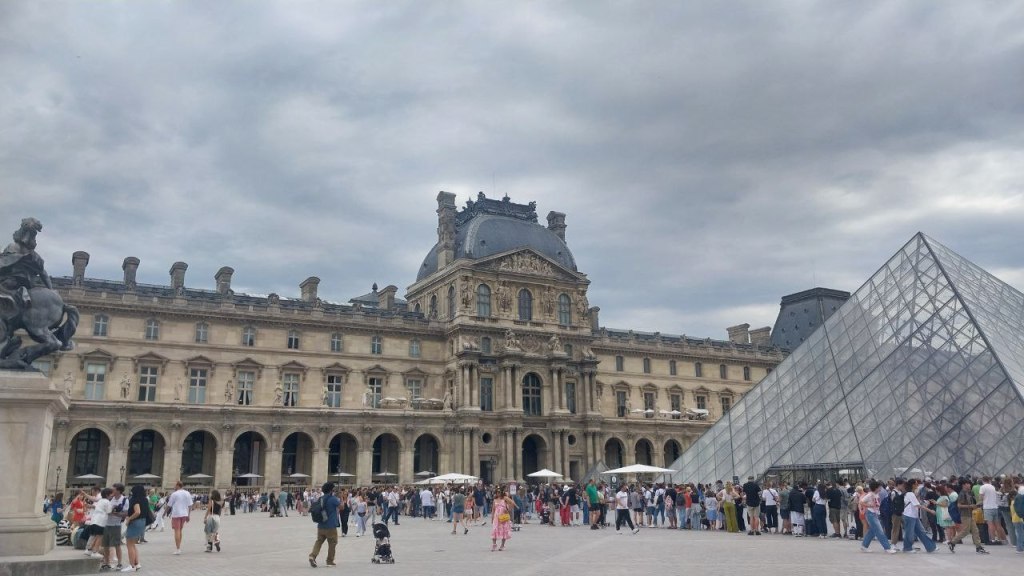
Visiting the Louvre Museum in Paris
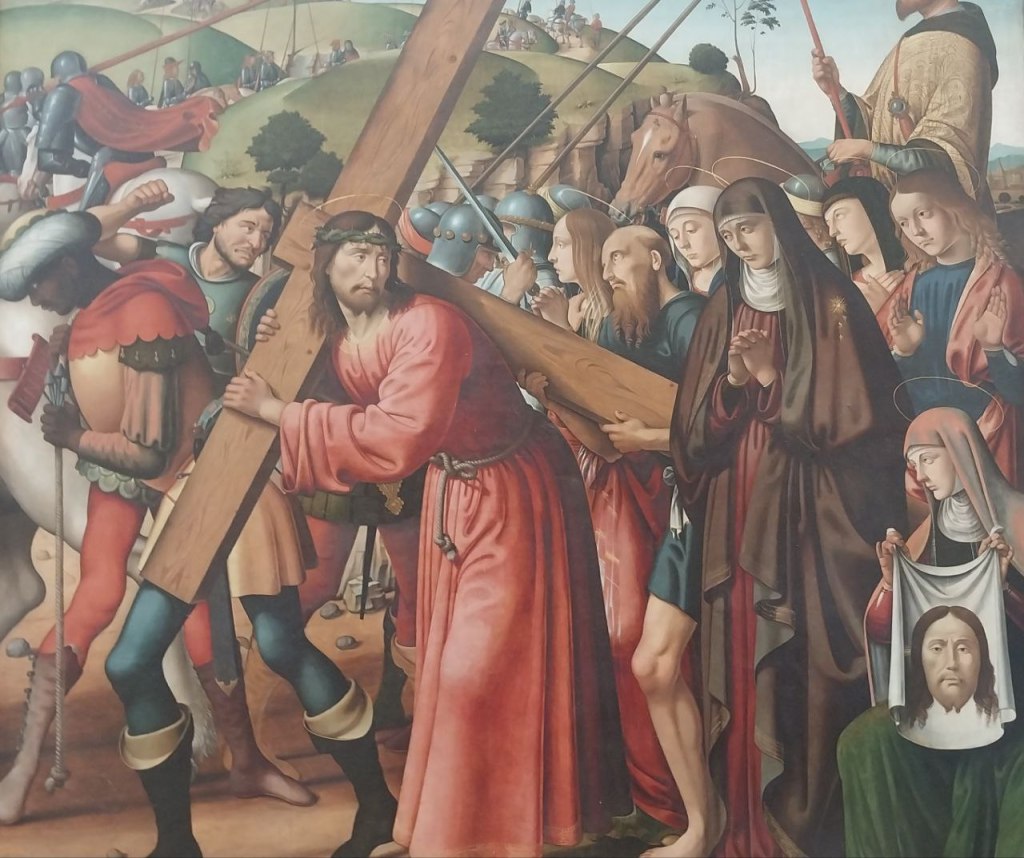
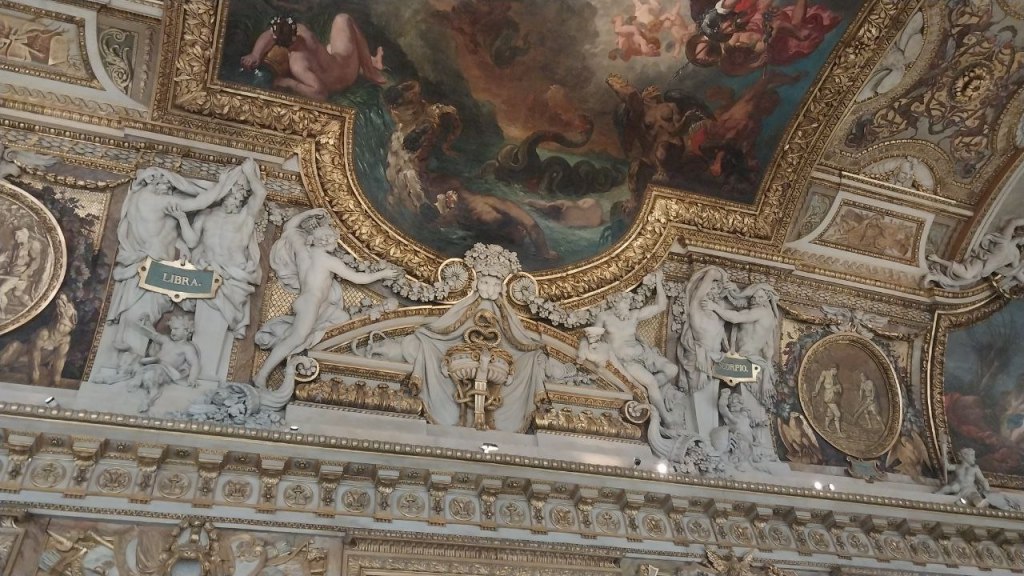
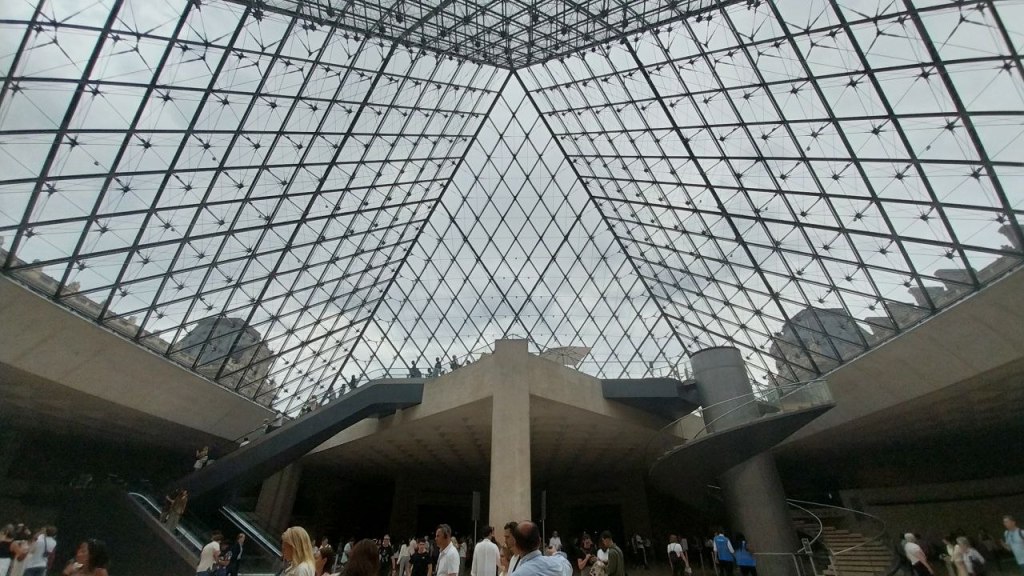
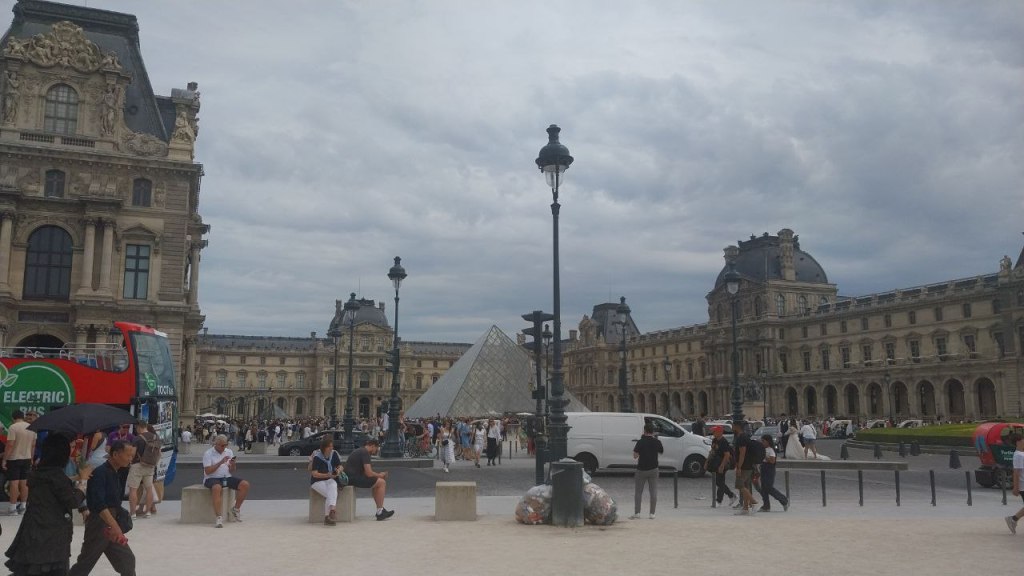
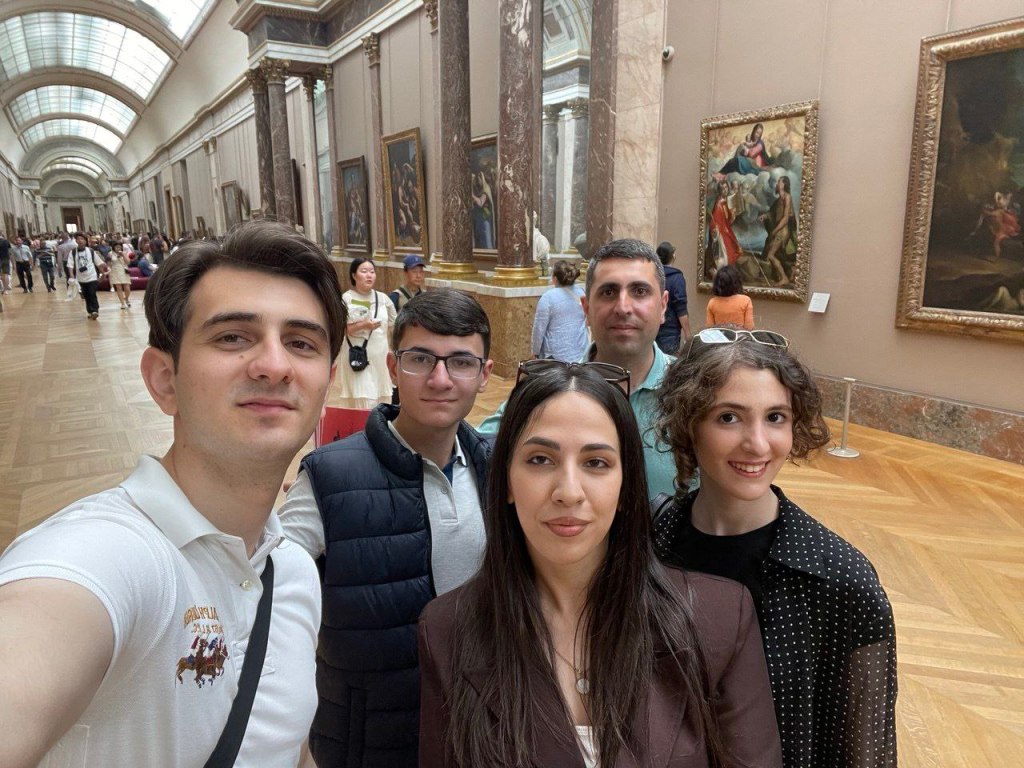
Our first stop on the last day of spring was to Paris’s iconic Louvre Museum. During our roughly three-hour tour, we were captivated by an incredible array of beautiful, indescribable, and distinct works of art from ancient, medieval, and modern periods, representing various civilizations. These included paintings, sculptures, statues, ceramic creations, archaeological finds, and much more. With its vast collection, the Louvre stands as one of the world’s most renowned museums, and by area, it’s the largest museum in Paris.
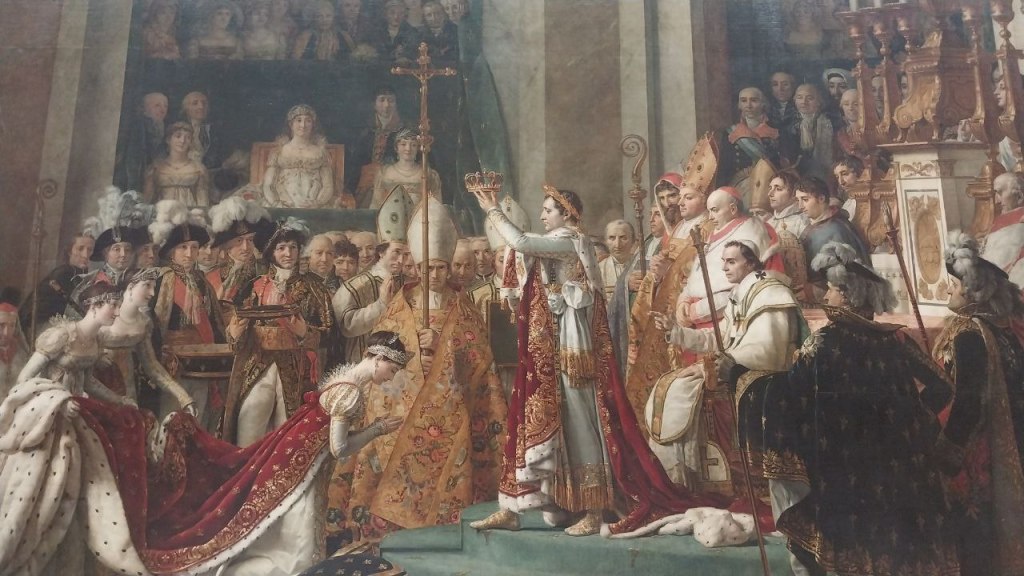
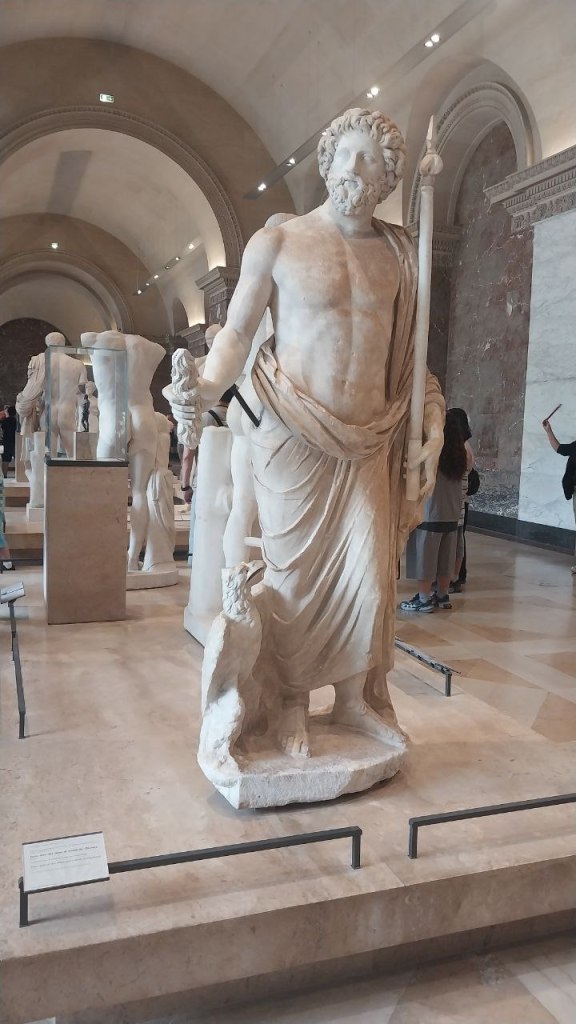
Words can’t describe the feeling of being in a place that houses the most famous works of medieval artists. To gaze upon Leonardo da Vinci’s “Mona Lisa,” the Venus de Milo, and the statue of the mighty Greek god Zeus with your own eyes is truly mesmerizing. And of course, you simply can’t pass by the canvases depicting Napoleon Bonaparte’s coronation ceremony and his reign without being moved. These paintings aren’t just works of art; they are living pieces of history. Through them, it feels as though you become a participant in history, witnessing pivotal events from the past.
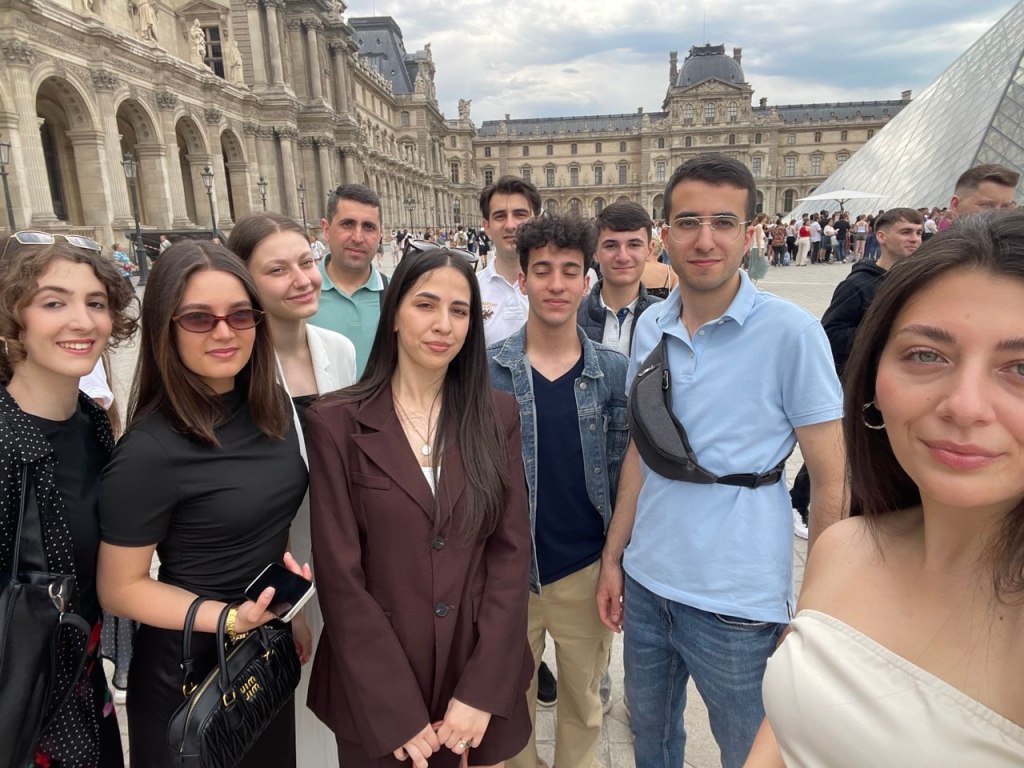
On the evening of May 31, we enjoyed watching the match between French club “Paris Saint-Germain” and Italian club “Inter” in a cozy setting. Afterwards, we enthusiastically celebrated the French team’s victory with their fans.
Paris is the only city in the world where starving to death is still considered an art.
Carlos Ruiz Zafón
Day II / June 1
Visit to the Palace of Versailles
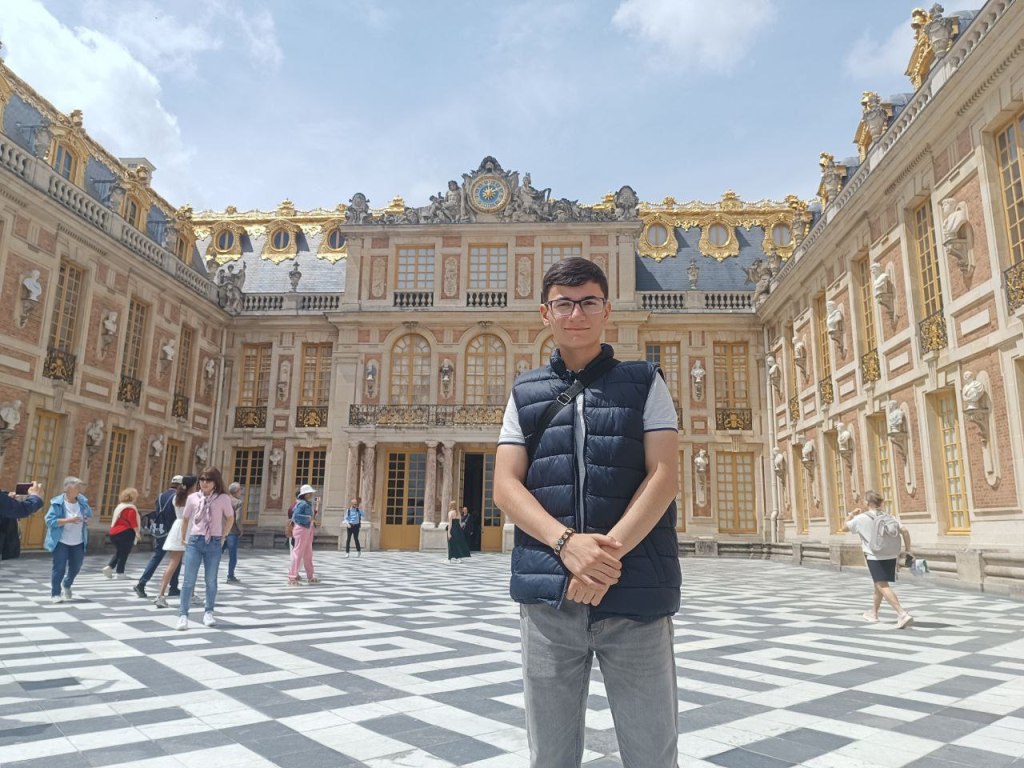
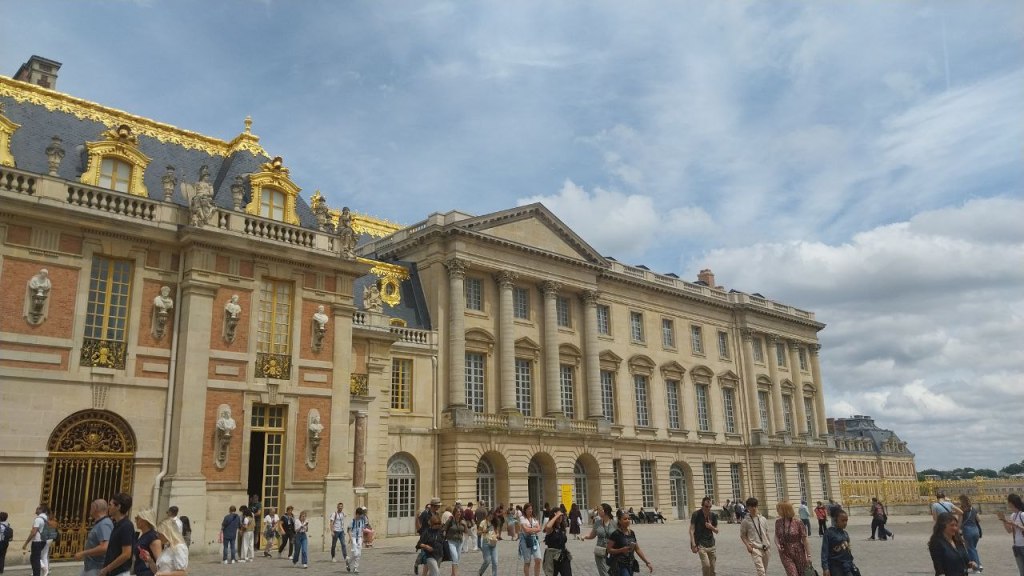
On International Children’s Day, we visited a site of global significance, the Palace of Versailles, which served as a residence for French kings and a focal point for numerous historical events. This magnificent palace, initiated by Louis XIV and located in the Parisian suburbs, captivated the attention of countless tourists even from the outside with its grandeur, architectural beauty, numerous marble statues, and gilded columns. Interestingly, the Palace of Versailles holds the top spot in terms of size on the European continent. By the end of the 17th century, Versailles was an example of luxury and perfection for the residences of European monarchs and nobility. We reached the Palace of Versailles by high-speed train.
Gazing upon this grand and majestic columnar palace, I was completely convinced that all notions and stereotypes about the underdevelopment of medieval peoples are baseless and do not correspond to reality. This site, boasting indescribable beauty, was a marvel in itself, one to be admired endlessly…
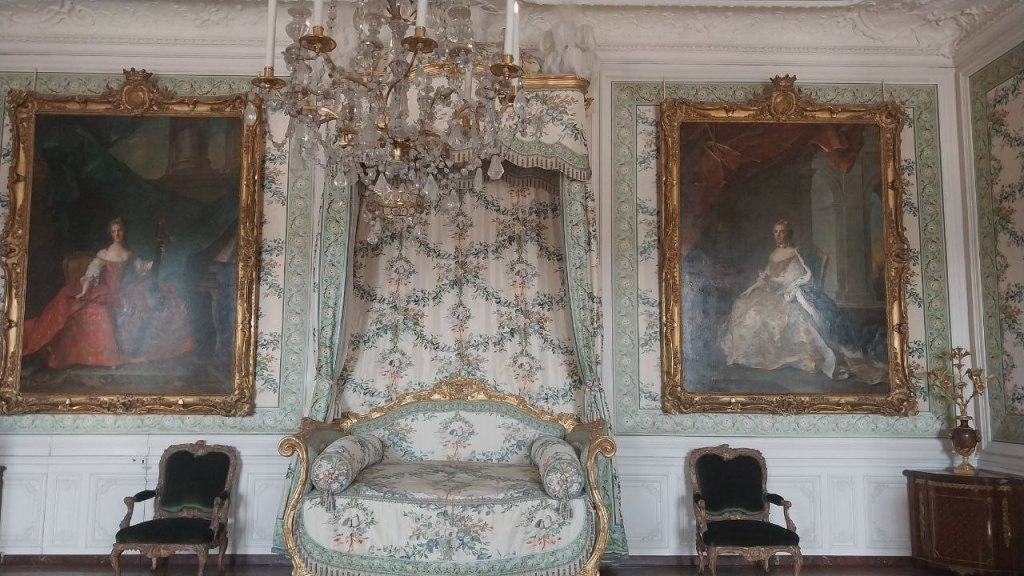
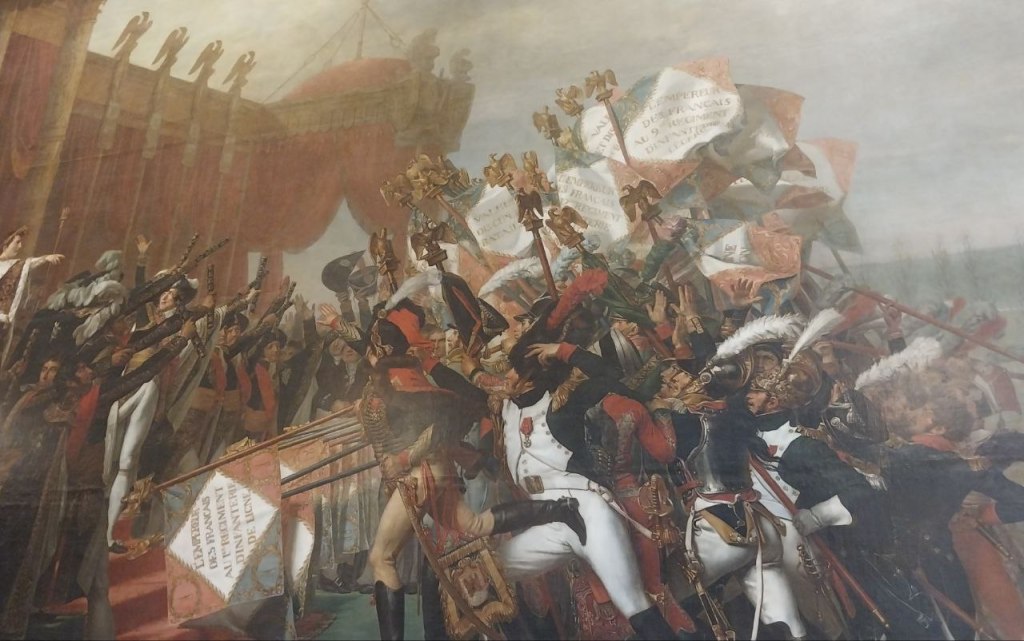
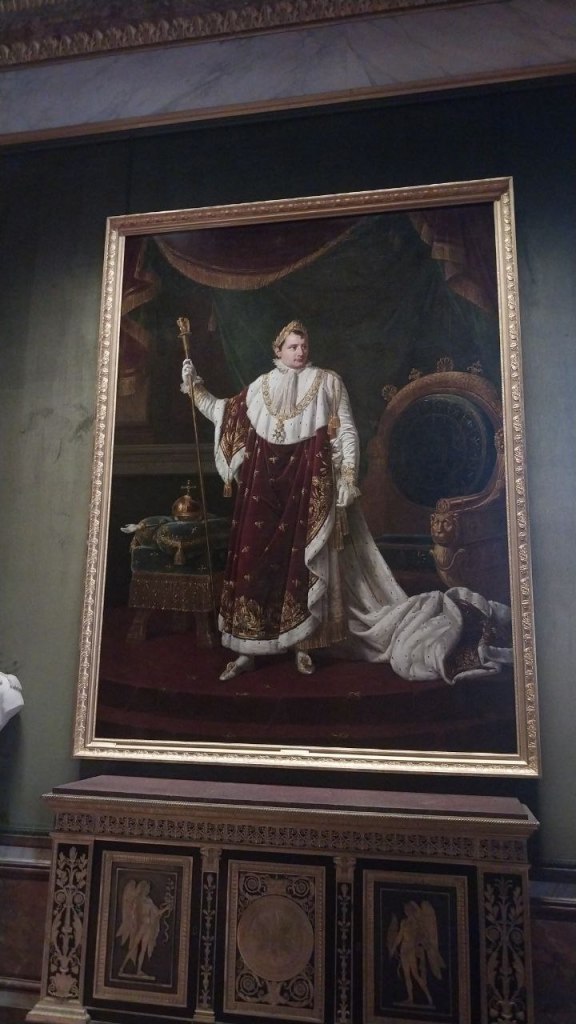
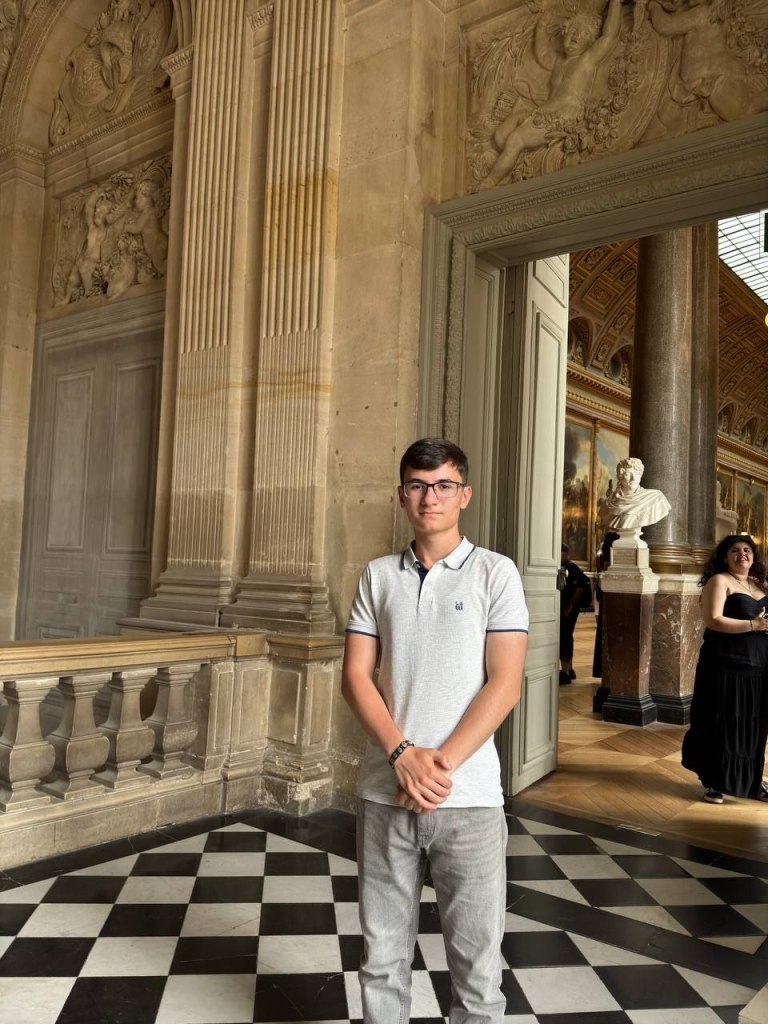
This palace, which served as the official residence of the kings from 1682 to 1789, right up until the French Revolution, was opened to the public as a museum only in 1801. All the artifacts, furnishings, accessories, and aristocratic luxuries have been preserved in their original form within the palace. Essentially, each room represented a segment of history; by strolling through the palace halls and private chambers, visitors became acquainted with the journey of the royal family and, indeed, the entire empire. This is because the rooms housed furnishings, sofas, and other items produced in different centuries. An integral part of the culture was the gilded and colorful walls and ceilings, which also represented a piece of history. One can only imagine the immense effort and resources invested in constructing and maintaining this grandeur.
The initial impression for an ordinary person, upon personally witnessing the very bedrooms where France’s most influential and powerful kings and emperors, such as Louis XIV and Louis XV, along with their opulent queens, once slept, or the living rooms where they handled state and imperial affairs, or the balconies from which they issued decrees, would undoubtedly be one of profound awe and wonder. It’s a direct encounter with history, a vivid glimpse into the lives of figures who shaped an empire. The sheer grandeur and historical weight of these spaces would likely evoke a strong sense of connection to the past, offering a unique perspective on the power and luxury that defined those eras.
Another picturesque sight was the formal garden of Versailles, which is also among the largest in Europe. Within the Versailles garden, there were several smaller palace buildings, such as the Petit Trianon, the Grand Trianon, and the French Salon, which was designed for games.
We’ll always have Paris.
Howard Koch
Day III / June 2
Visit to UNESCO Headquarters
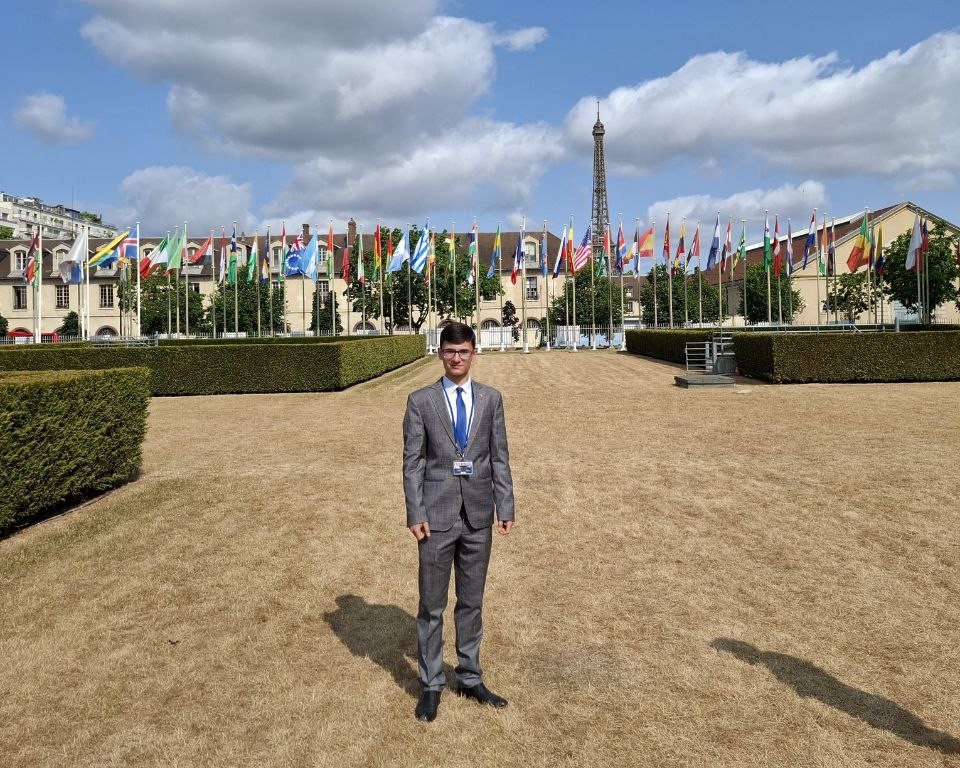
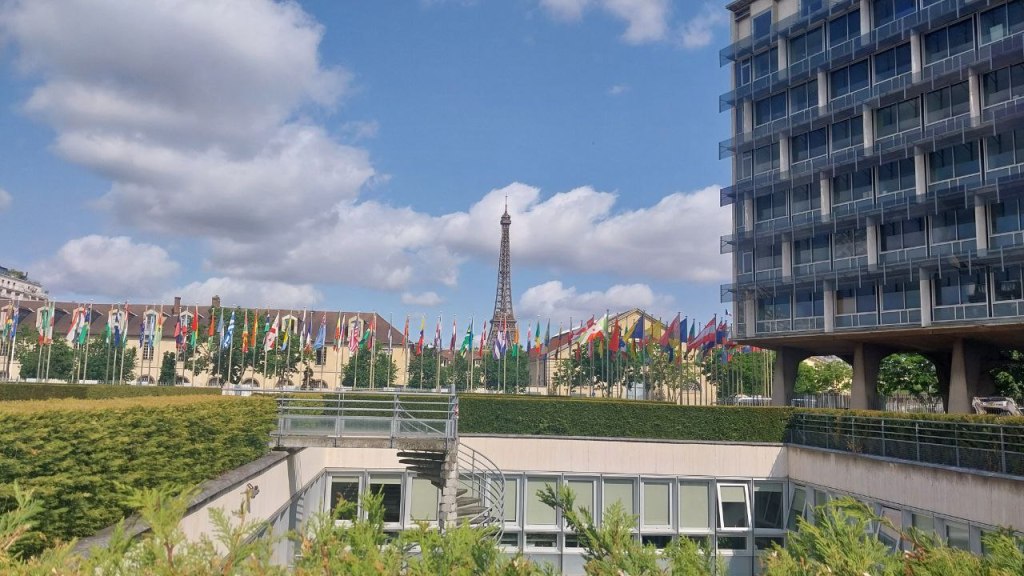
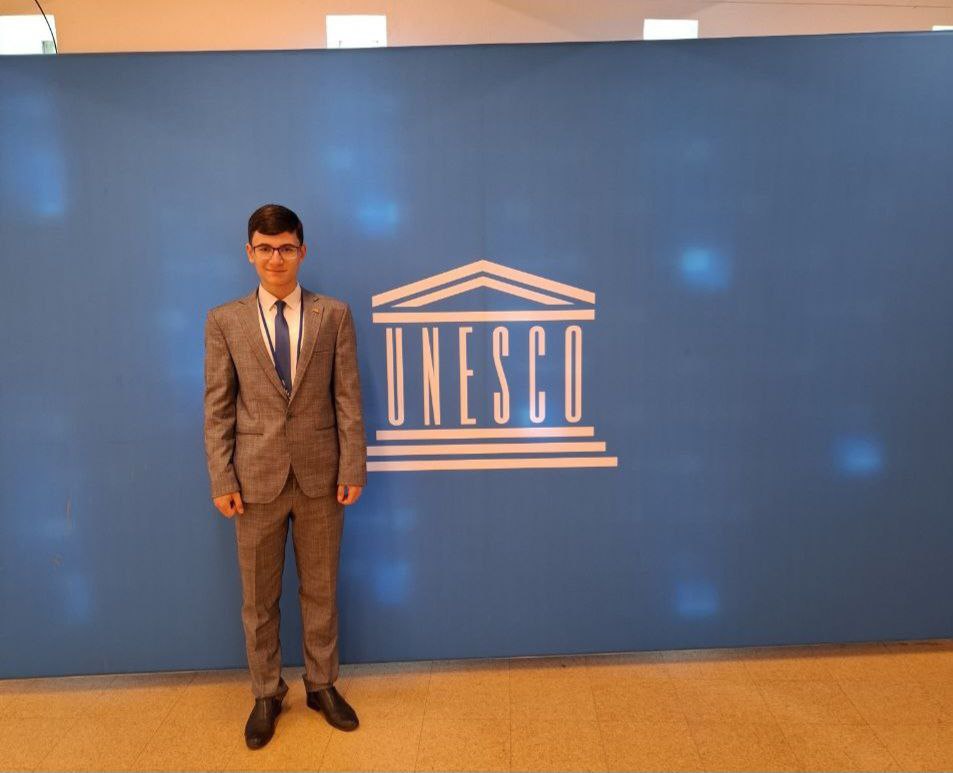
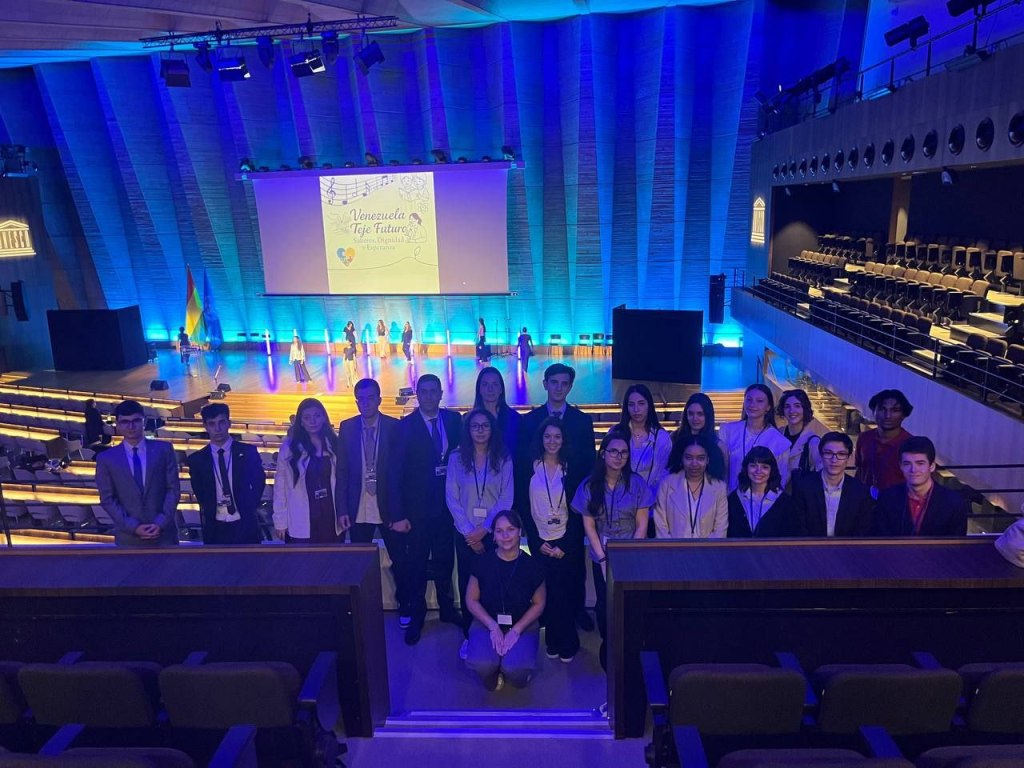
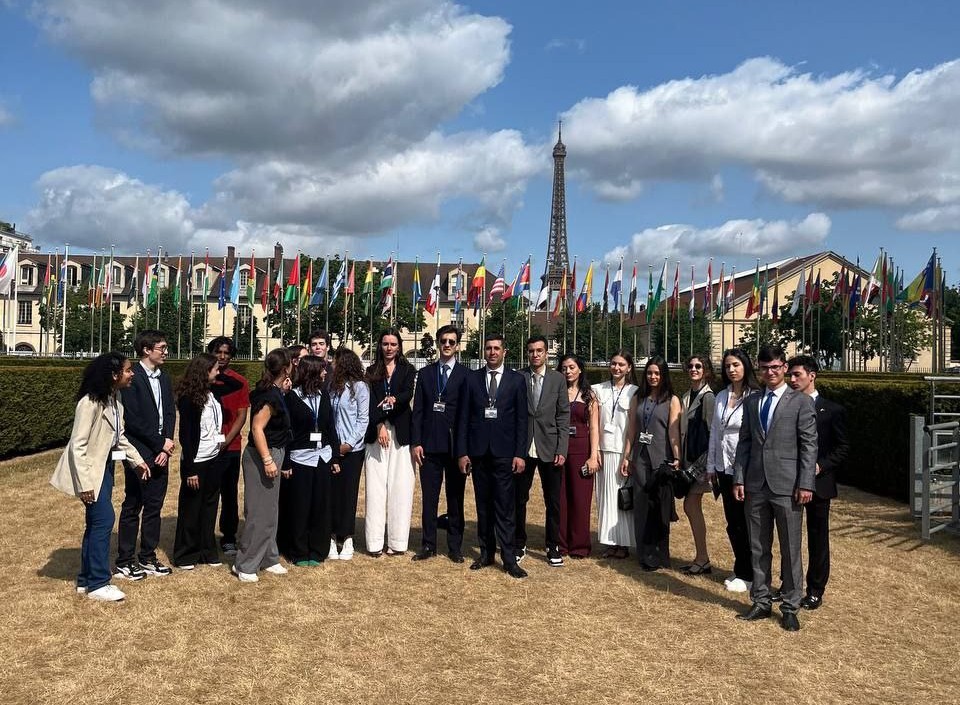
To kick off the work week, our partners from the MUNTO organization and we made an official visit to the UNESCO Headquarters. Our guides shared the history of both the entire organization and the building itself, from its origins to its development. Interested participants regularly posed questions from the political-diplomatic sphere, seeking to better understand UNESCO’s functions and scope of authority.
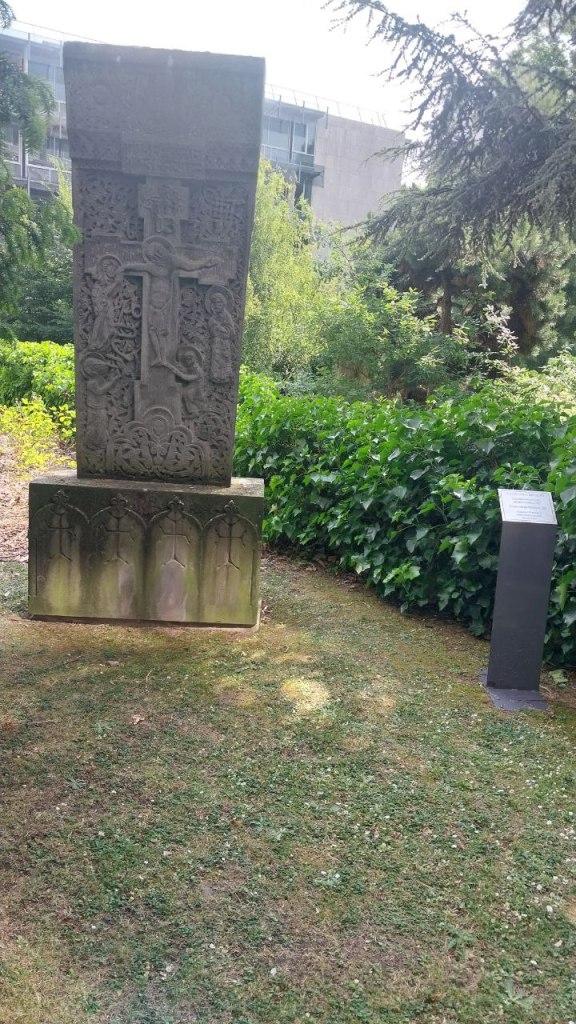
During the tour, we visited the halls for ceremonies and events, press conference rooms, and the adjacent parks where flags of member states were displayed. There were also various artworks dedicated to fostering peace, tolerance, and mutual respect among nations and states. Notably, a Armenian khachkar (cross-stone) was also placed in the back garden.
Visit to the Embassy of the Republic of Armenia to UNESCO
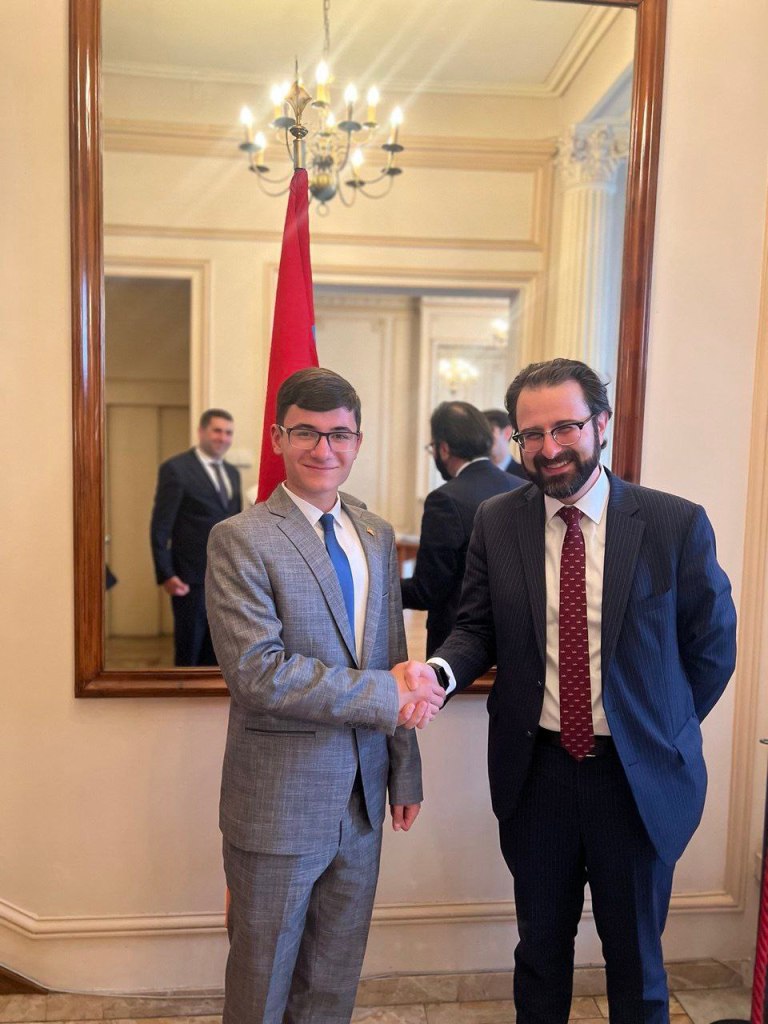
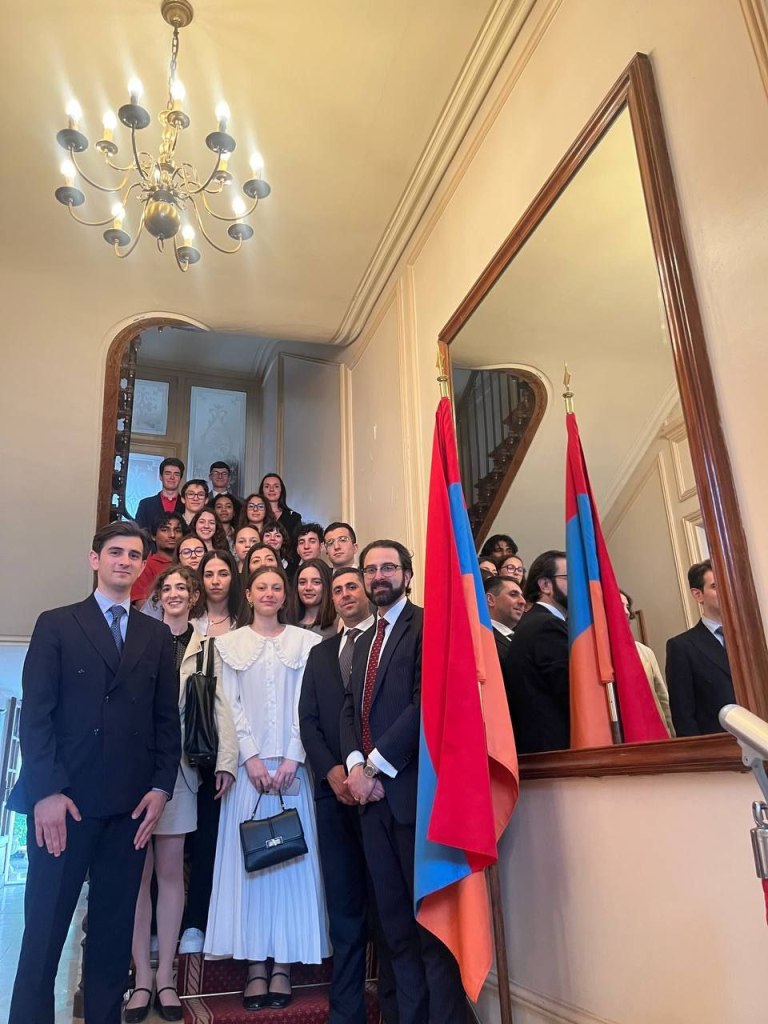
Later that day, as per our agenda, we also visited the Embassy of the Republic of Armenia to UNESCO and met with Ambassador Aram Hakobyan.
Our discussion covered a wide range of agenda items, specifically focusing on UNESCO’s mechanisms for preserving Armenian cultural heritage, the consequences of policies implemented by Armenia’s neighboring states, the priorities and achievements of the RA Embassy, negotiation challenges, and other internal organizational matters. Overall, it was a very productive discussion, and participants gained a better understanding of the work and activities of a diplomatic representation within the framework of the United Nations Educational, Scientific and Cultural Organization. This was also a great opportunity to foster and strengthen cooperation between educational-cultural public organizations within Armenia and international organizations abroad.
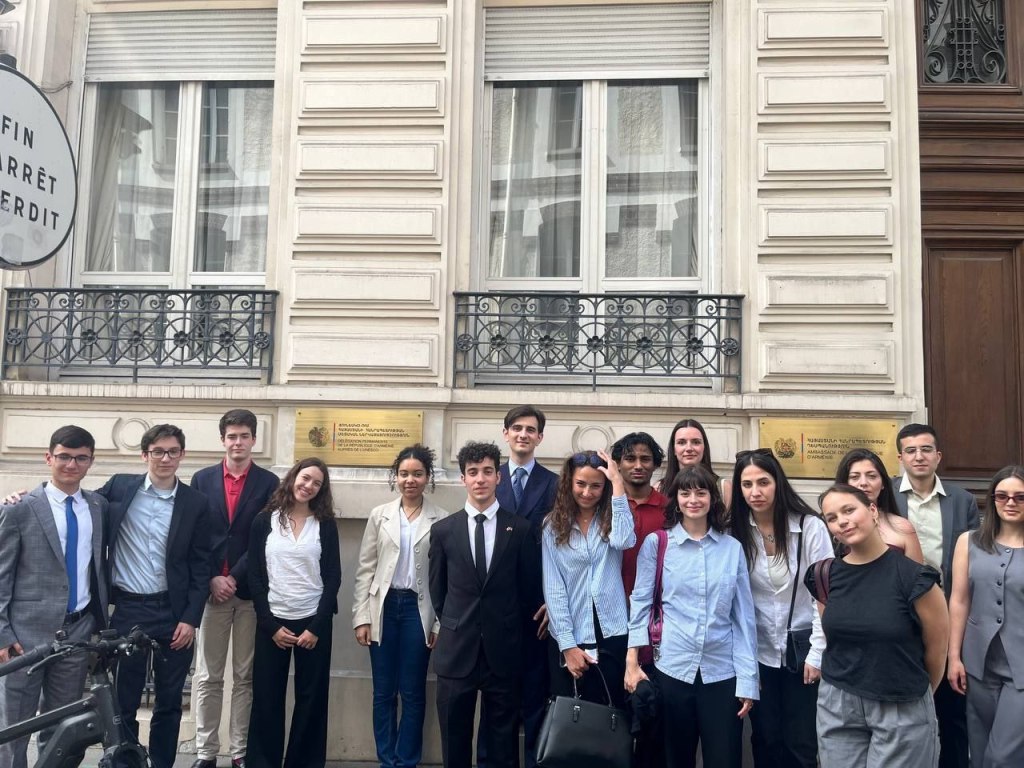
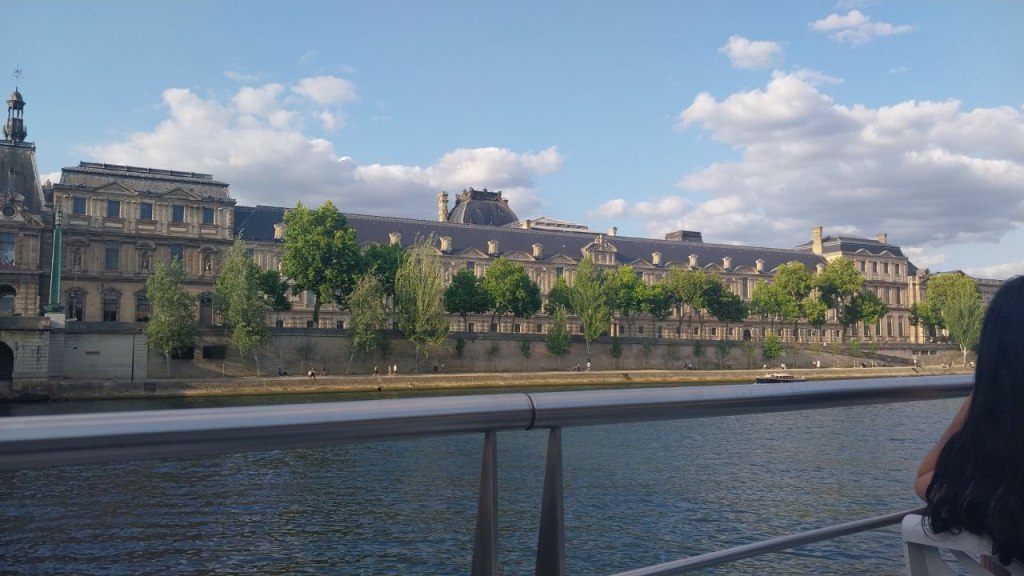
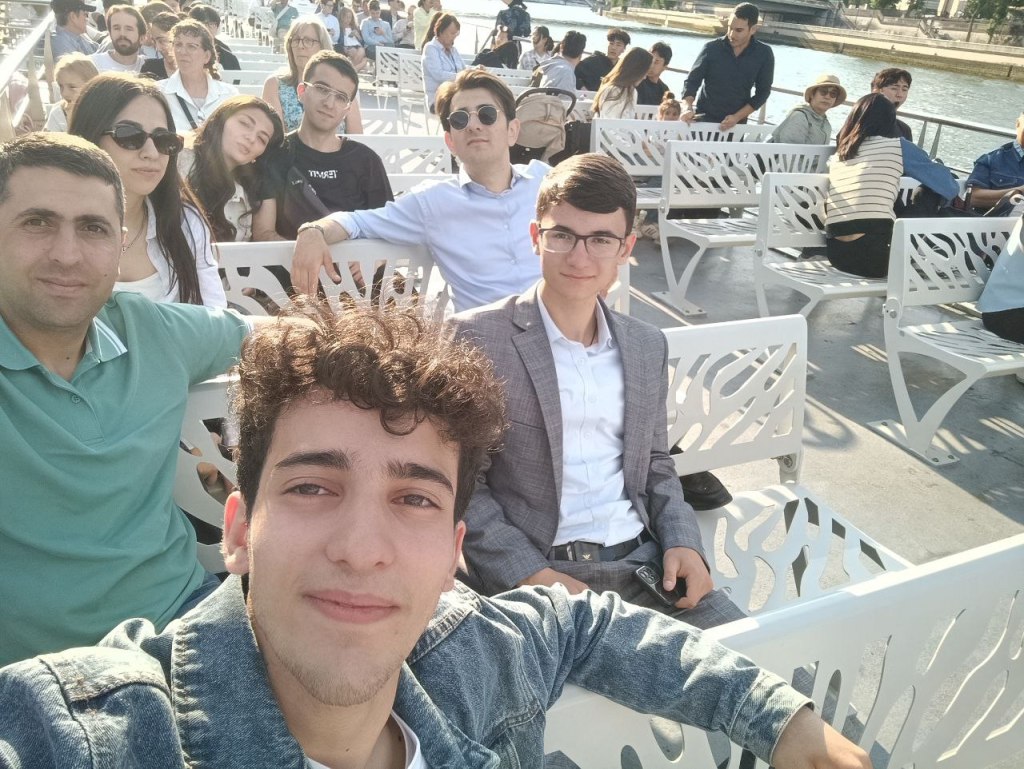
We ended the day with a cruise on the Seine River. In just an hour, we were able to escape from everyday life and come back. Paris was so beautiful in the evening…
Paris is a place where we can forget ourselves, transform ourselves, and rid ourselves of the dead weight of our past.
Michael Simkins
Day IV / June 3
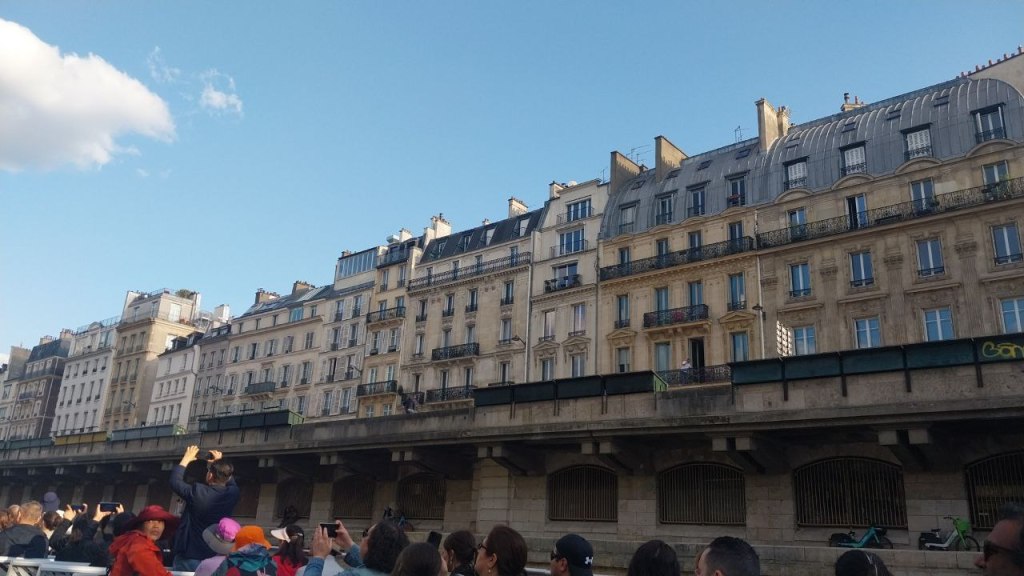
The fourth day was more about exploration. We walked through Paris’s oldest neighborhoods, studied the buildings, and offered prayers in churches. In the afternoon, we visited shopping centers to buy gifts and souvenirs for our loved ones.
It was interesting, but in Paris, especially in the city center, it got dark very late. Around 10:00 PM, it was still so bright outside you could easily mistake it for dusk or even dawn! We took advantage of this and spent even more time strolling through nighttime Paris.
Of course, it would be a crime to visit the famous city of Paris and not take dozens of photos with the renowned Eiffel Tower in the background. We certainly didn’t miss out on that!
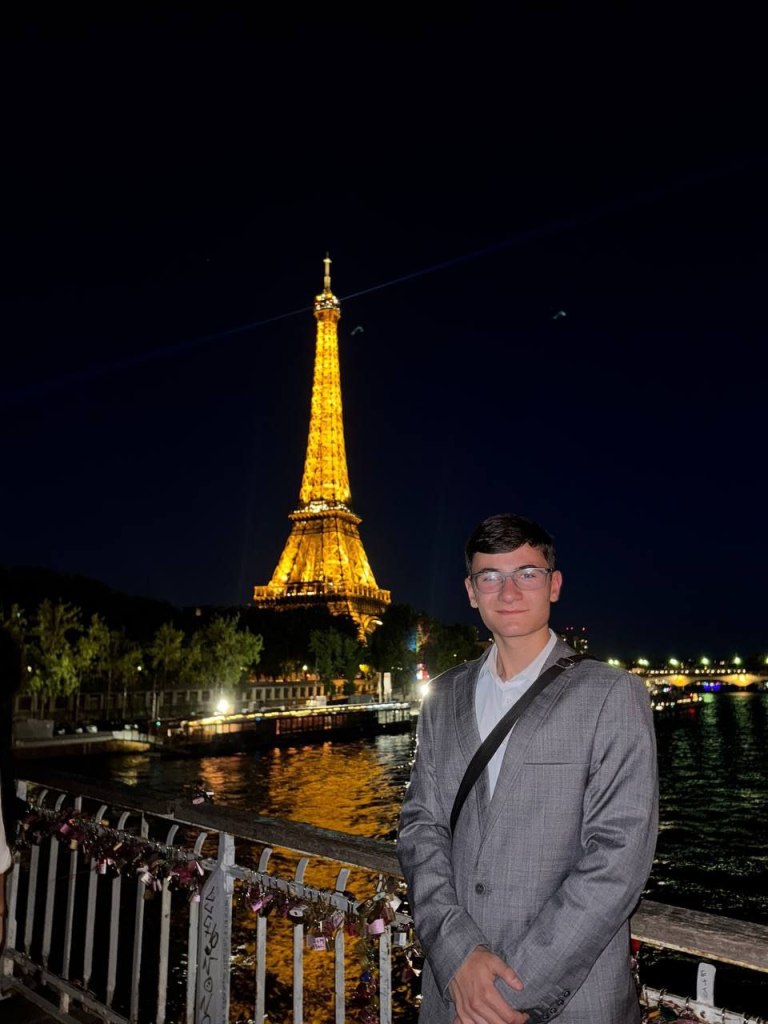
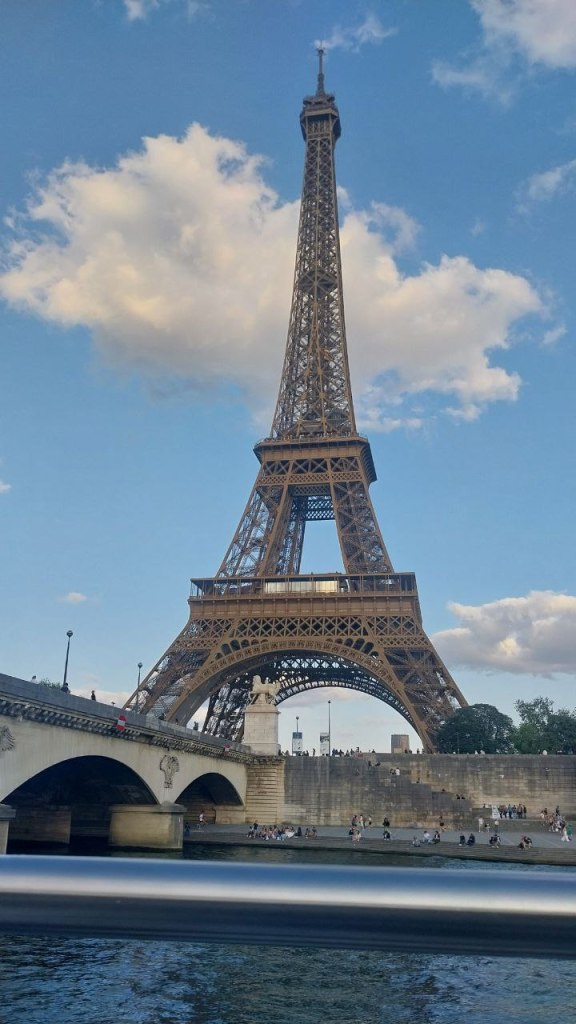
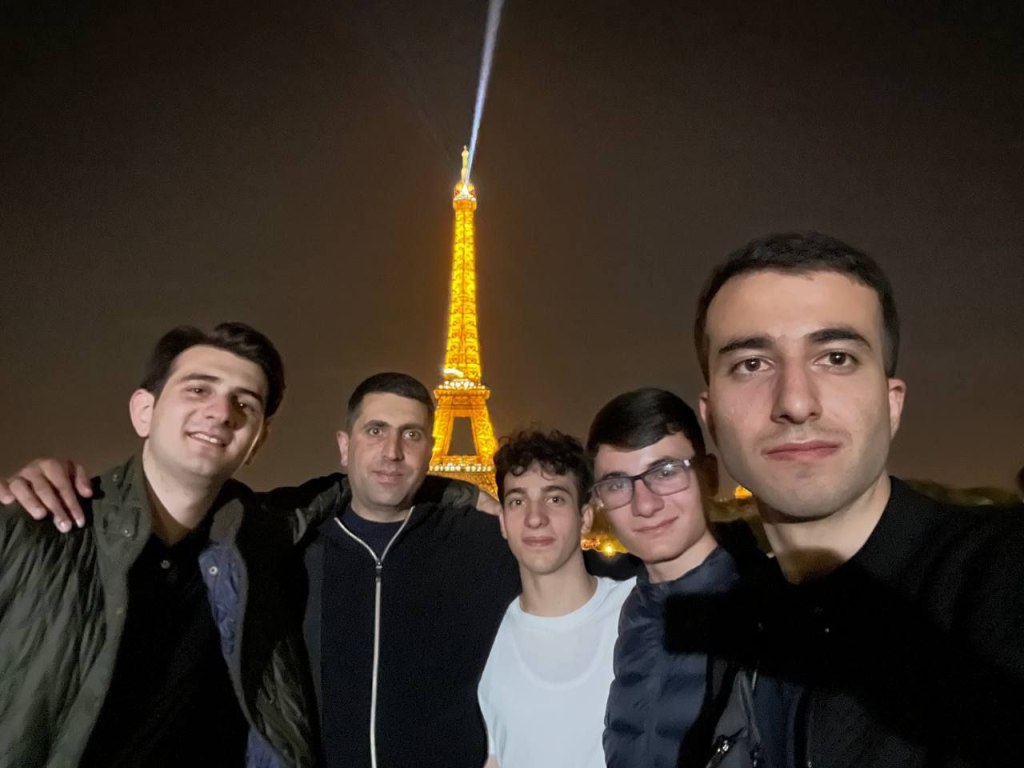
The initial concept for the tower belonged to Maurice Koechlin and Émile Nouguier. Among numerous designs submitted for the competition, Gustave Eiffel’s project was victorious, and he was entrusted with the responsibility of constructing the Eiffel Tower. The Eiffel Tower was built from high-quality puddled iron.
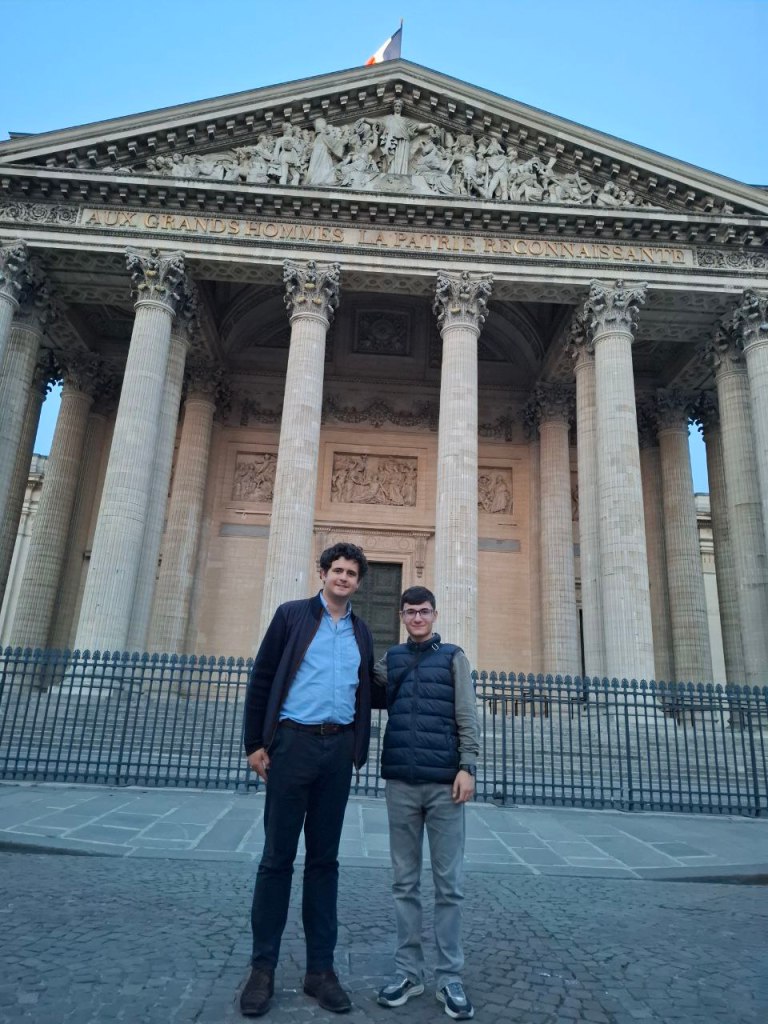
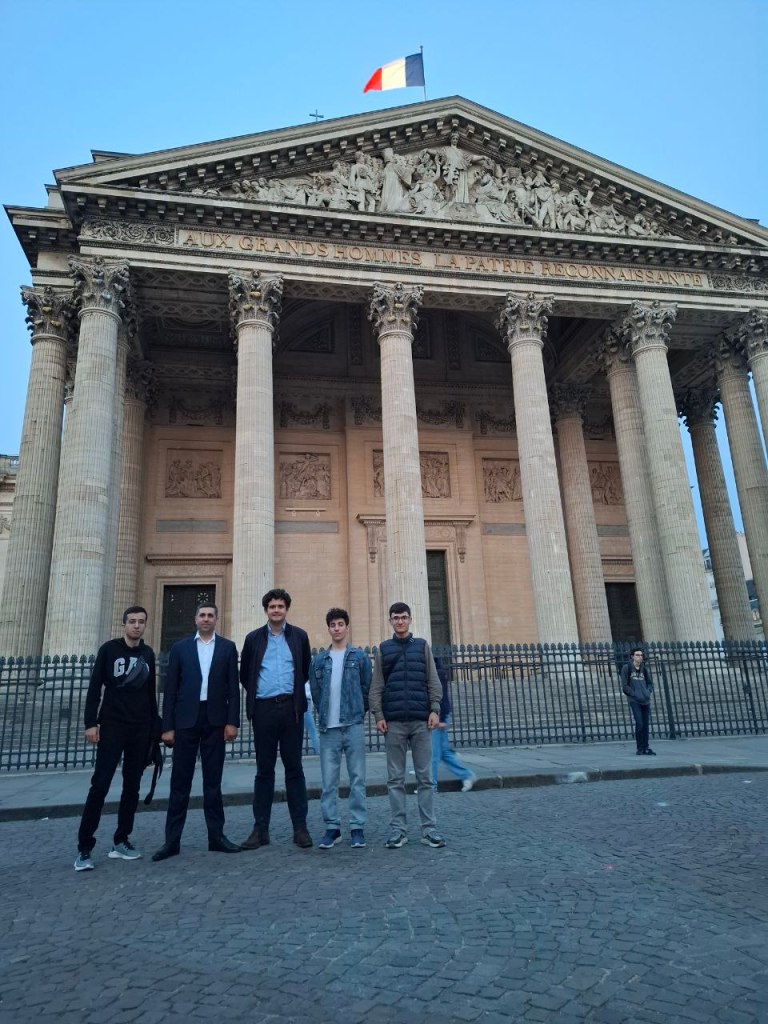
Late at night, accompanied by our good friend Pierre-Louis Giscard d’Estaing, we walked through the area of the Panthéon, where prominent figures of the French Republic are interred—and not only French citizens, by the way. The first foreign hero to be buried there was Missak Manouchian, who performed an invaluable feat for France and was honored with burial in the Panthéon. Pierre showed us the surroundings of the Sorbonne University, and afterwards, we enjoyed a delicious dinner together at one of the cafes in a youth center.
The last time I saw Paris it was the day I died. The city was inexhaustible, and so was its memory.
Elliot Paul
Day V / June 4
Visit to the Musée d’Orsay
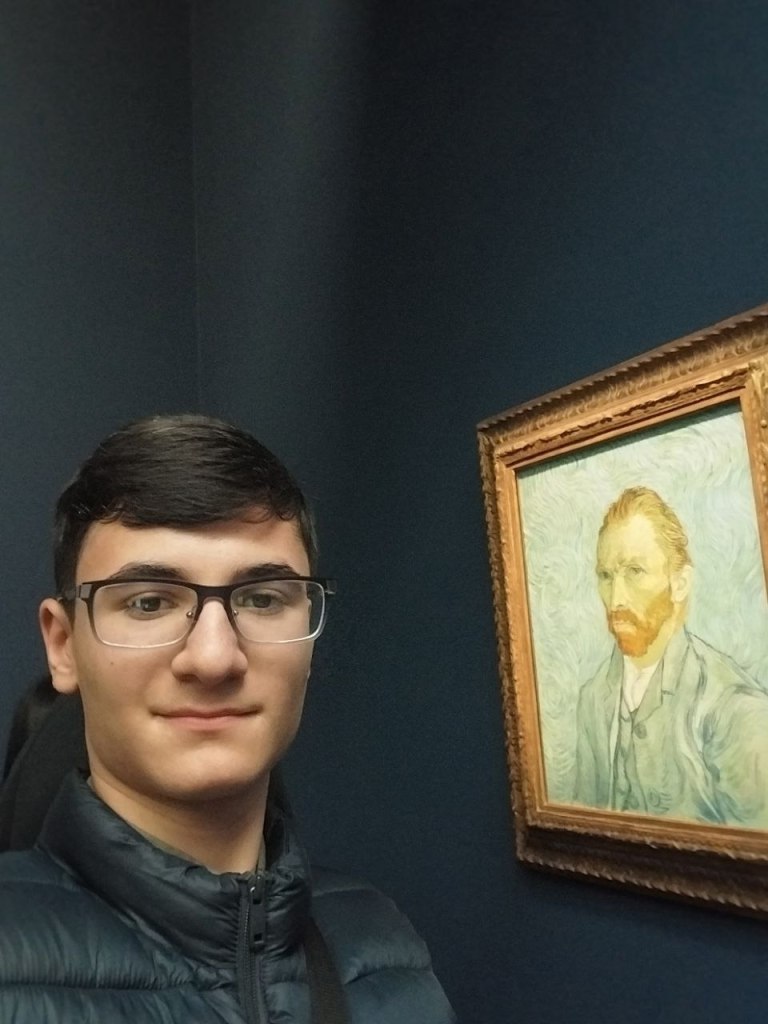
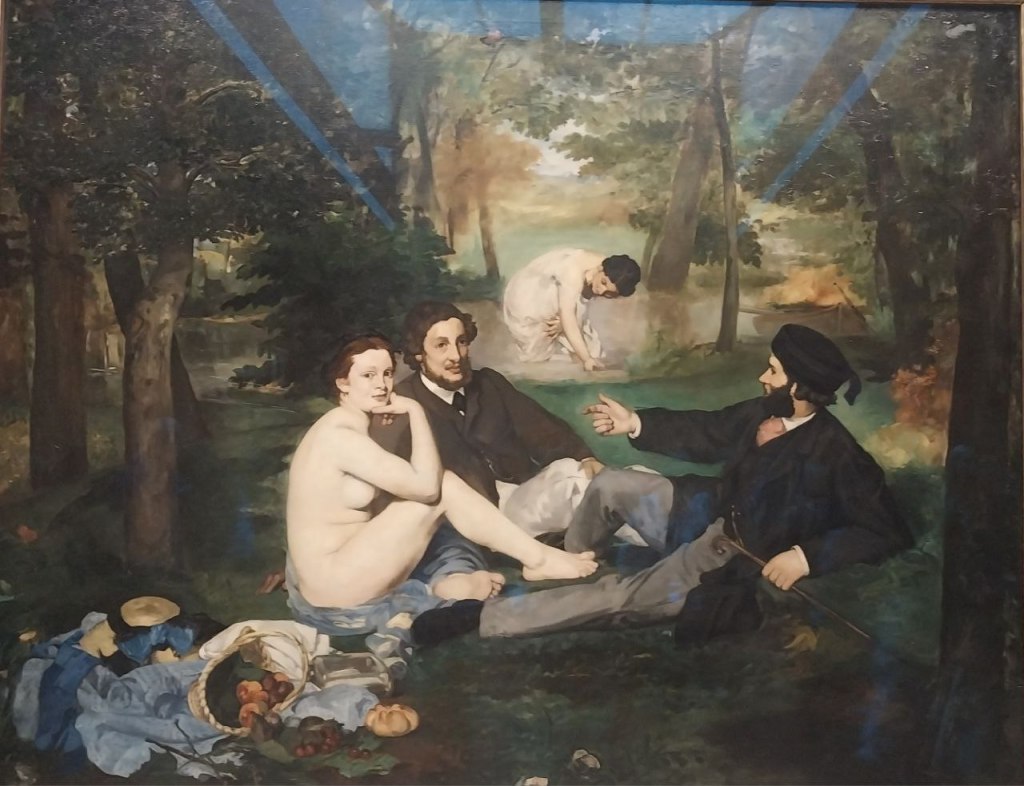
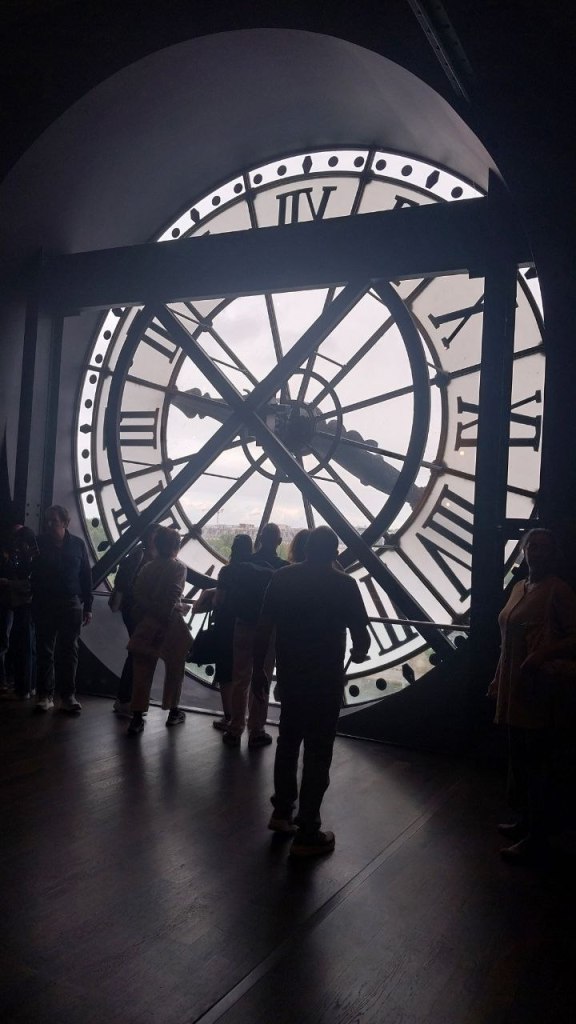
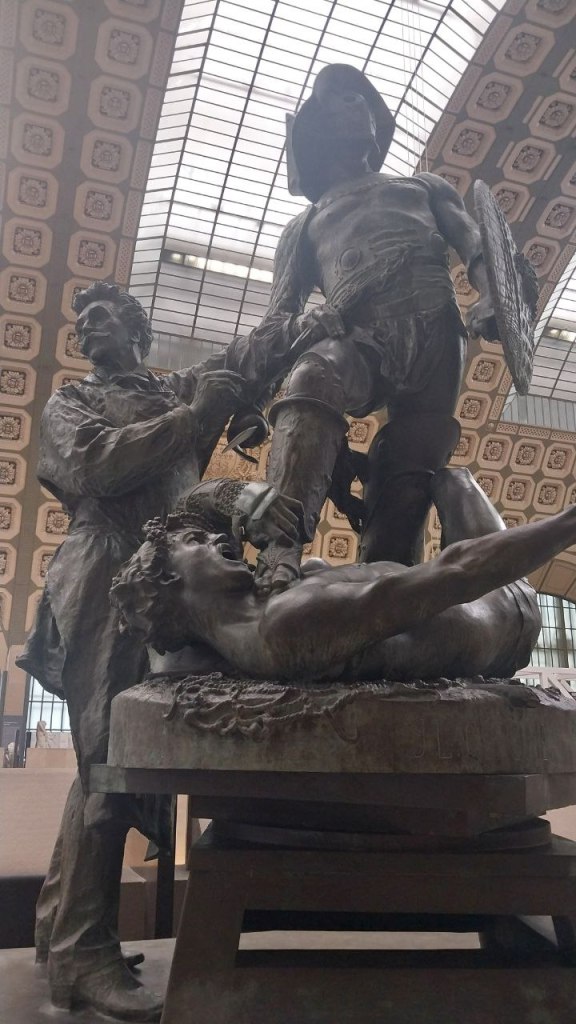
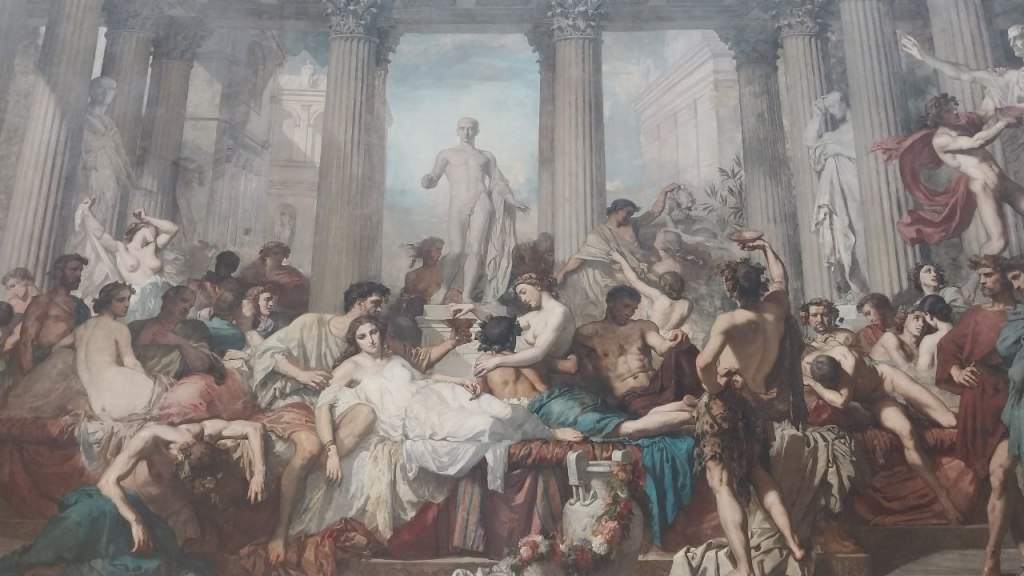
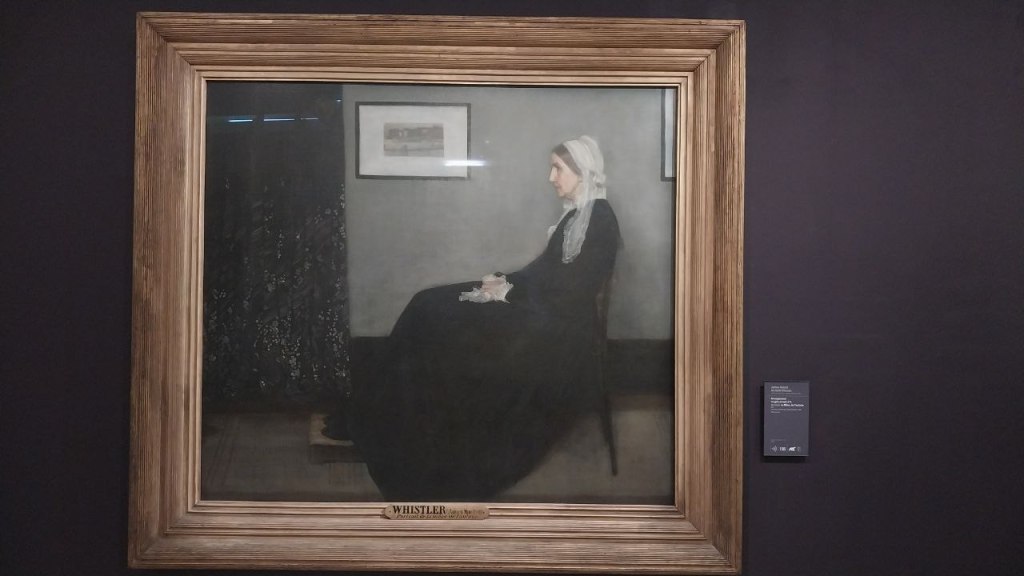
On June 4, we visited another equally famous and renowned museum in Paris: the Musée d’Orsay. This museum showcases European art from the 19th century (starting from 1848) and the 20th century (up to 1914). It is one of the largest museums dedicated to French painting and sculpture from 1848 to 1914.
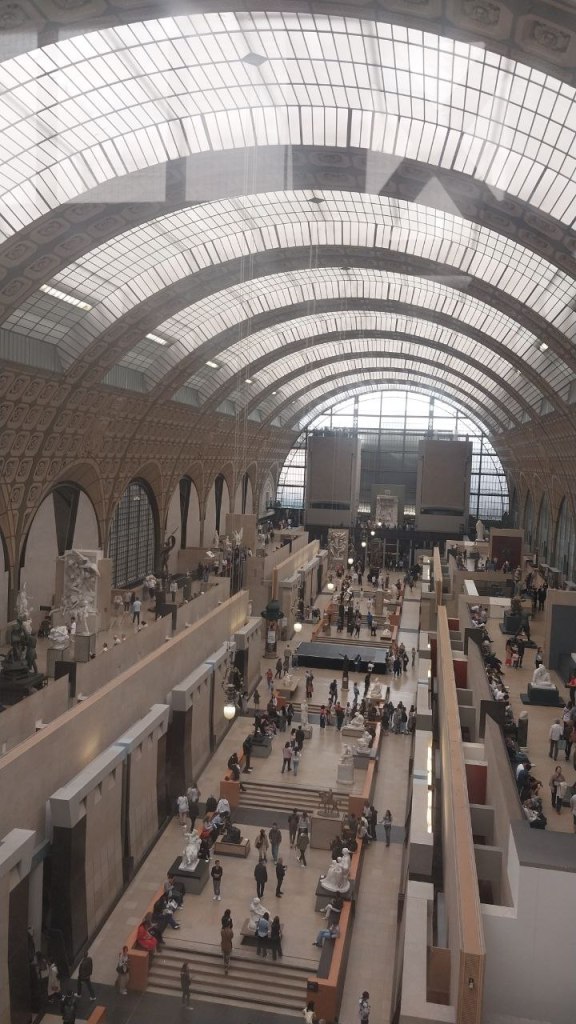
It primarily features prominent representatives of the Impressionist and Post-Impressionist art movements from the late 19th century. The building itself previously served as a railway station. In 2016, the Musée d’Orsay was renamed to include the name of former President Valéry Giscard d’Estaing, who initiated the creation of the museum.
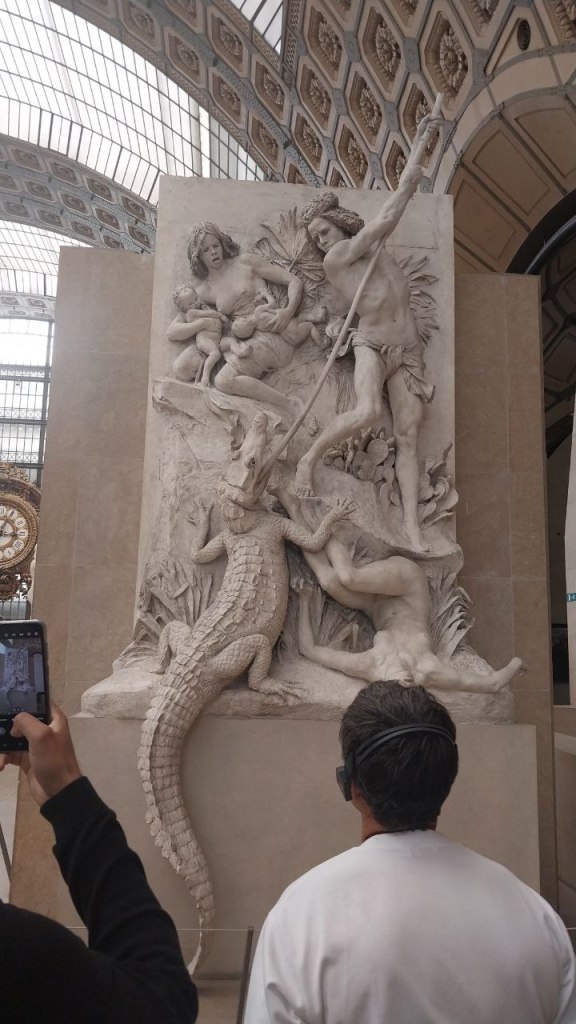
The wide corridors and adjacent exhibition rooms displayed numerous masterpieces, from paintings to statues and sofas, and from frescoes to 18th-century furnishings and monuments.
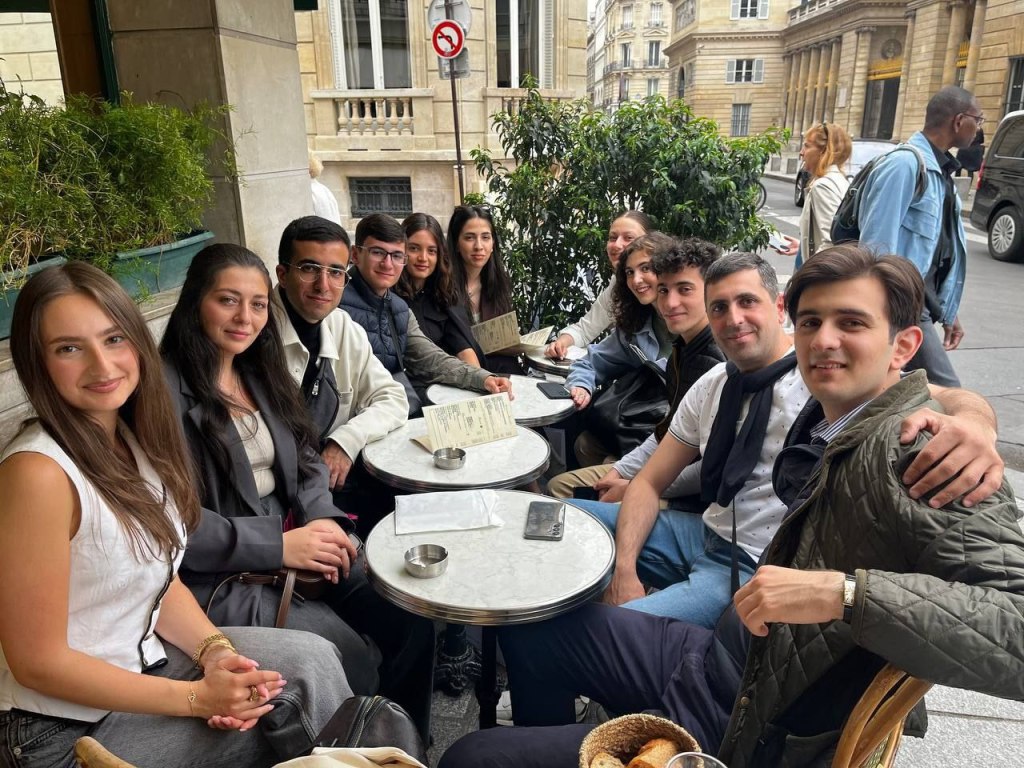
After leaving the museum, members of the organization had breakfast at a nearby cafe, while simultaneously admiring the Parisian views and exchanging our impressions.
Visit to Les Invalides – Napoleon Bonaparte’s Tomb
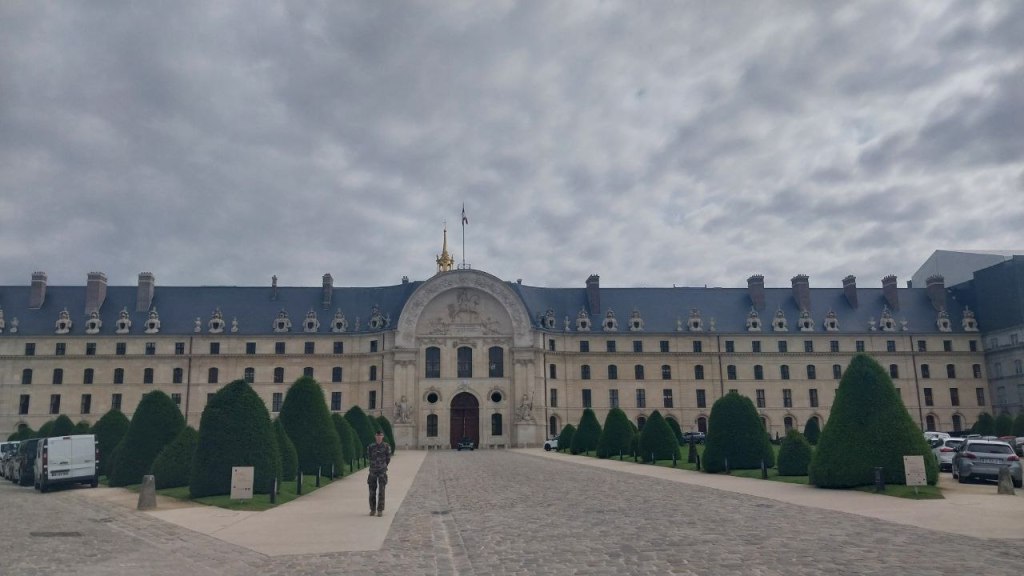
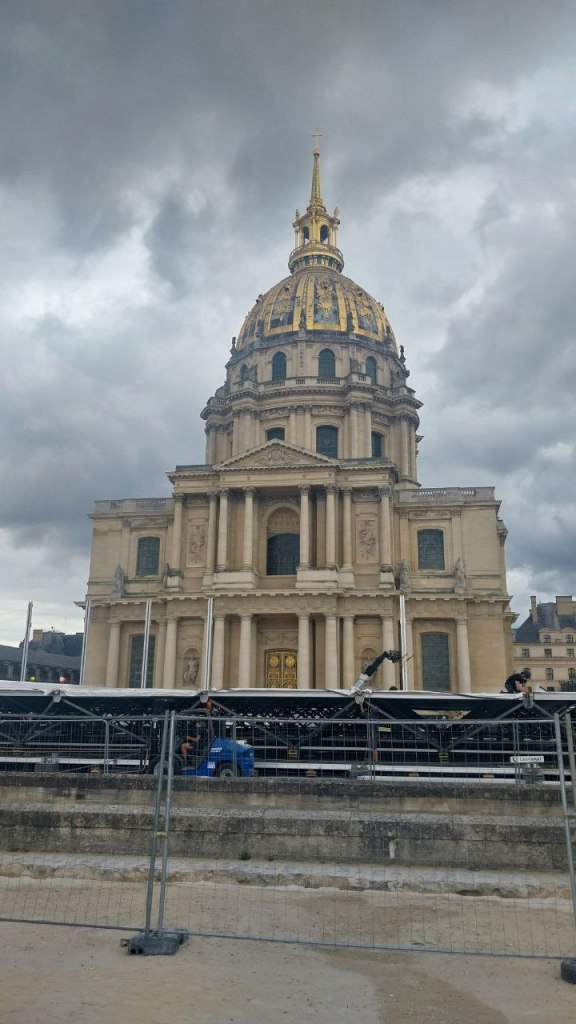
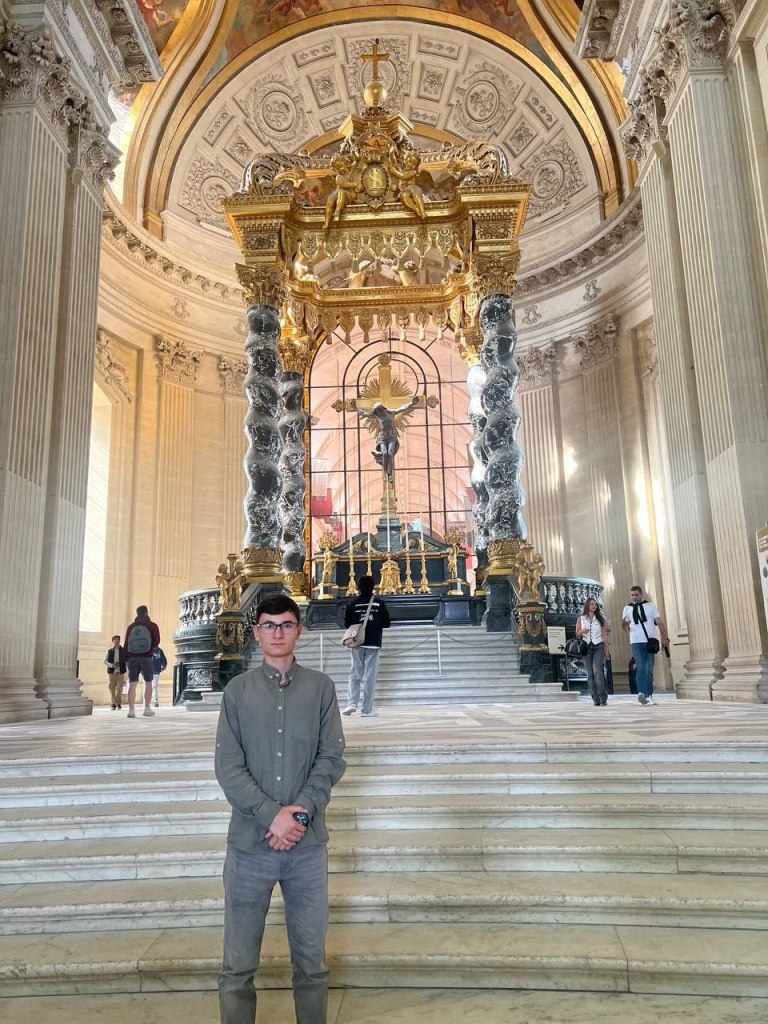
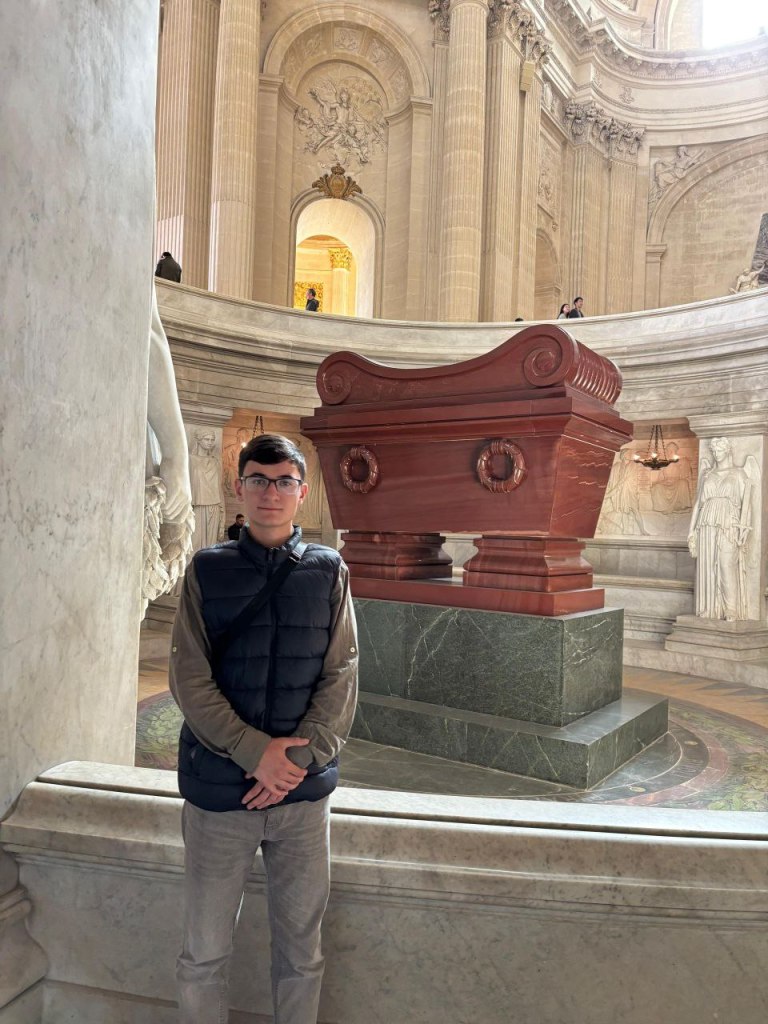
The visit to the Orsay Museum was followed by perhaps the most anticipated visit: to Les Invalides in Paris, which is also Napoleon Bonaparte’s tomb. As history enthusiasts, we couldn’t miss such an opportunity. From the very first days, we planned to enter Les Invalides and admire its unique architectural perfection, which encompasses an entire imperial era.
Before entering the tomb, we witnessed a military parade held on the grounds of the Military Academy, in which the Minister of Defense of the French Republic, Sébastien Lecornu, participated and delivered a speech.
The Hôtel des Invalides was built during the reign of Louis XIV as a residence and hospital for elderly and disabled soldiers. It is located in the very heart of the historical part of Paris, and currently, this building houses the French Army Museum (Musée de l’Armée).
King Louis XIV, like his predecessors Henry II, Henry III, and Henry IV, aimed to provide assistance to the disabled soldiers of his army, so that “those who have risked their lives and shed their blood in defense of the monarchy (…) may spend the rest of their days in peace,” as stated in the edict of March 12, 1670.
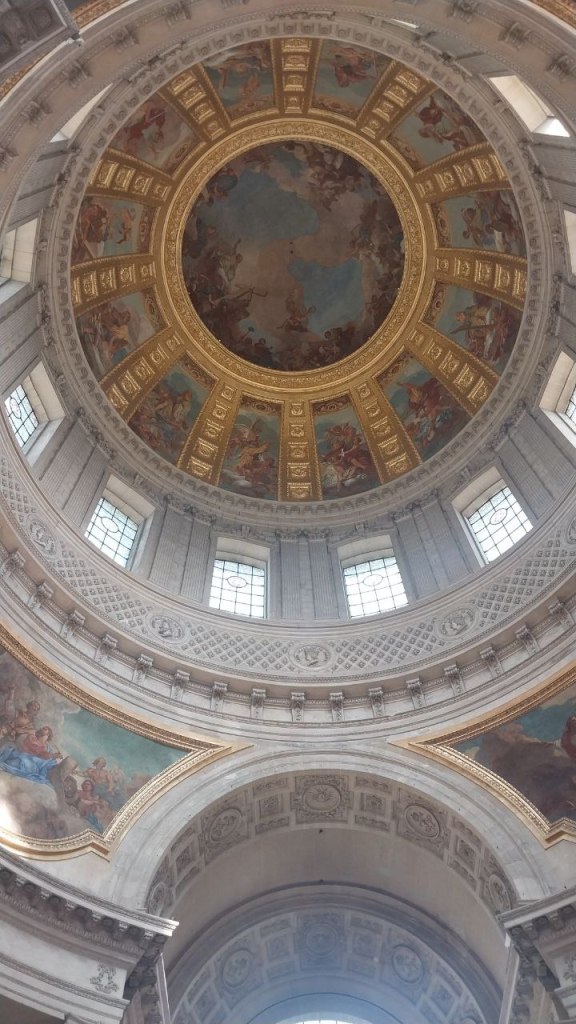
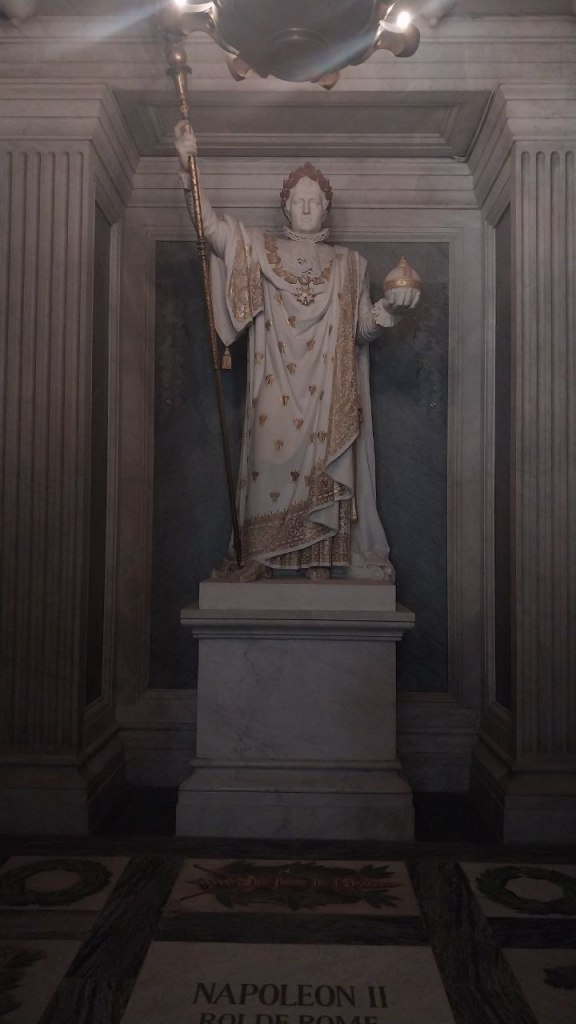
Upon entering the church, a magnificent sight unfolded before us, instantly disconnecting us from the difficulties of the outside world and granting us an incredibly unusual sensation, impossible to describe in words. Our gazes were drawn upwards to the dome, where delicate frescoes depicting divine figures were visible. Directly beneath the dome, in the circular section of the hall, rose the majestic tomb of Napoleon Bonaparte (Napoleon I), the most powerful emperor of his time, and the most celebrated military figure and general in French history. It was surrounded by dozens of bowed statues, seemingly paying homage and keeping his memory alive, all reflecting his greatest achievements and the invaluable legacy he left behind, while also hinting to visitors that a renowned and great figure lay at rest before them.
Death is nothing, but to live defeated and without glory is to die every day.
Napoleon I Bonaparte
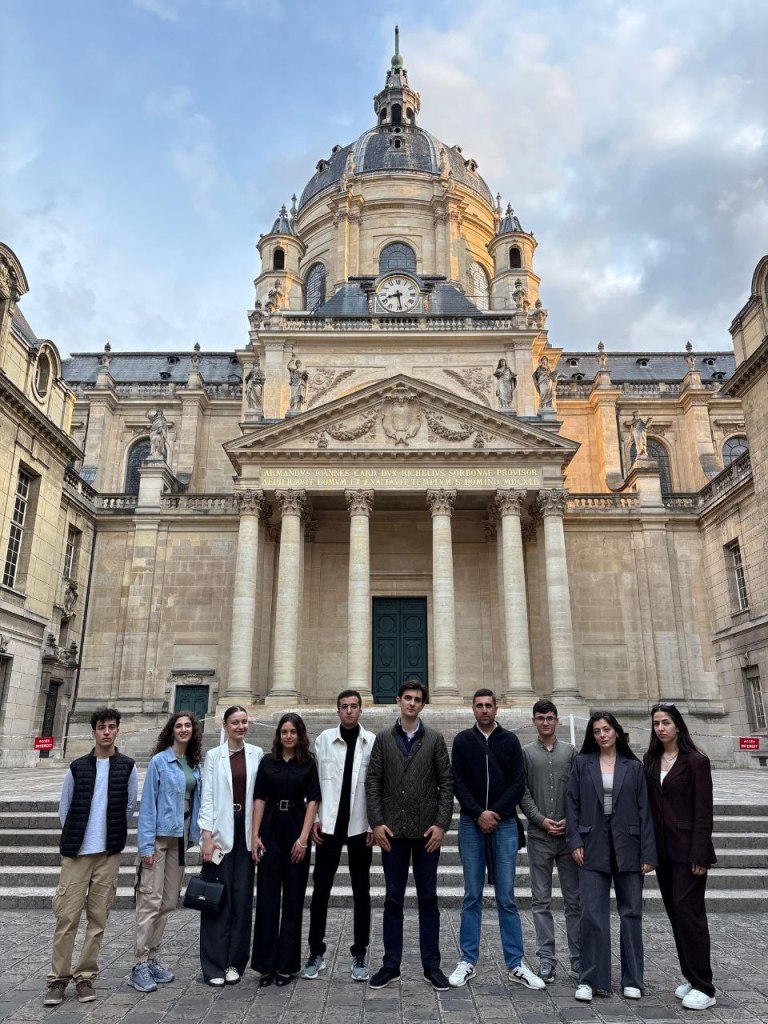
Visit to the Sorbonne University
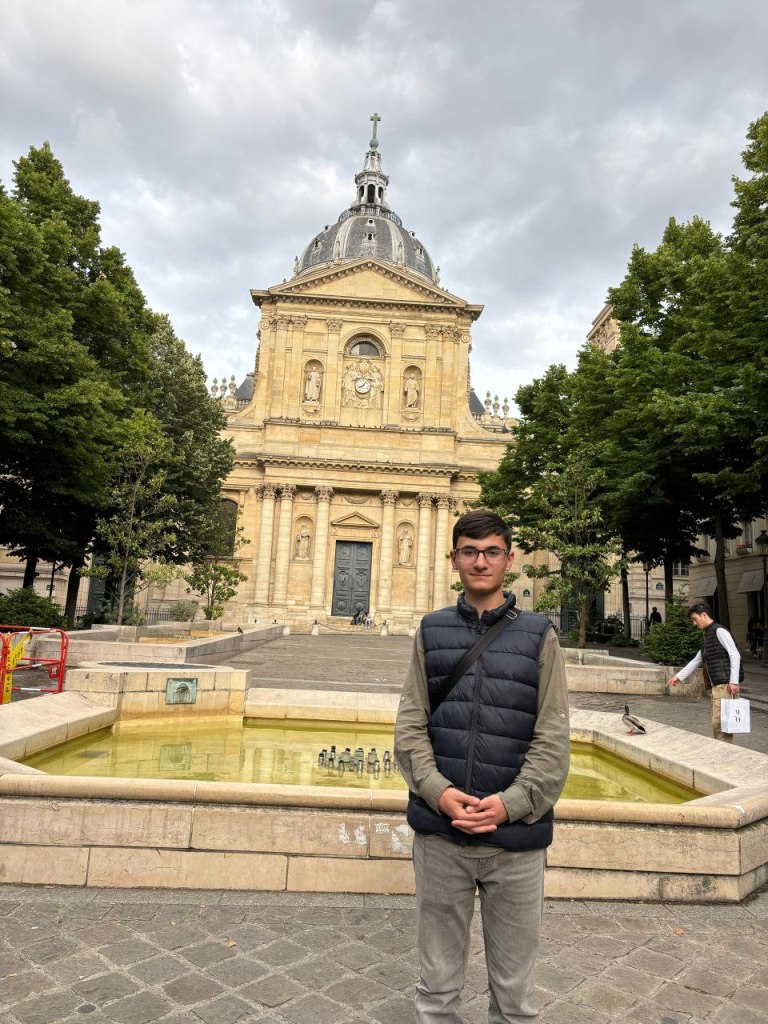
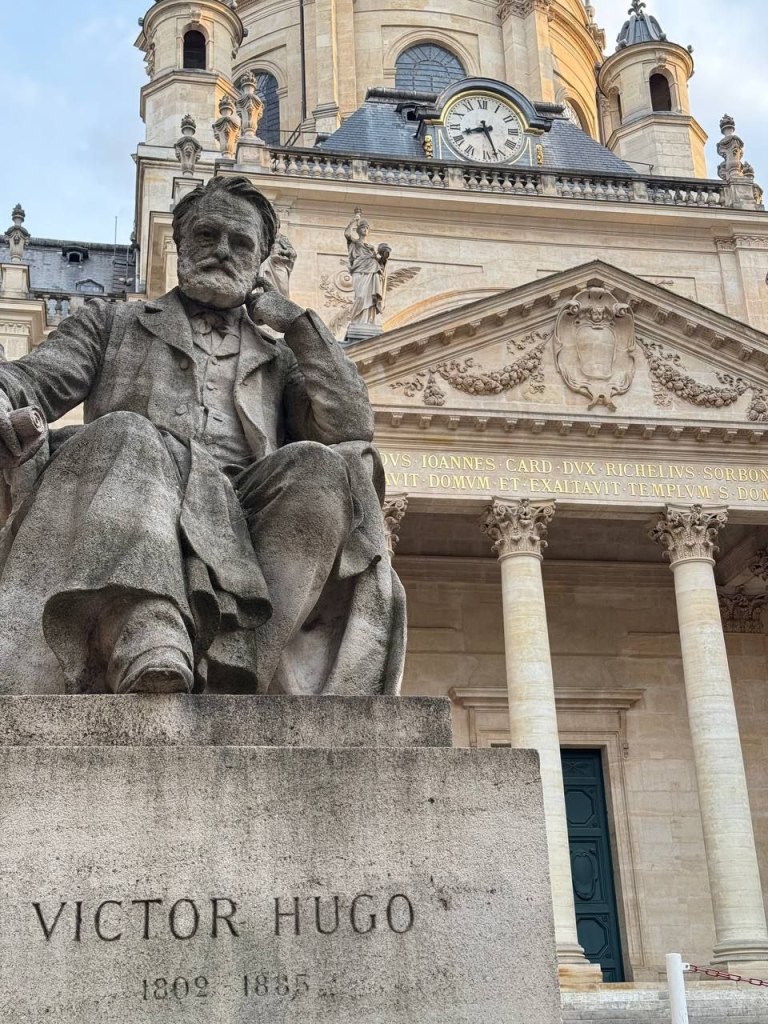
Still reeling from our previous visits, we headed to Sorbonne University to explore one of the most prestigious higher education institutions. Rising in the heart of the Latin Quarter, which is considered the heart of Paris, Sorbonne University stands as an enduring symbol of French education and science.
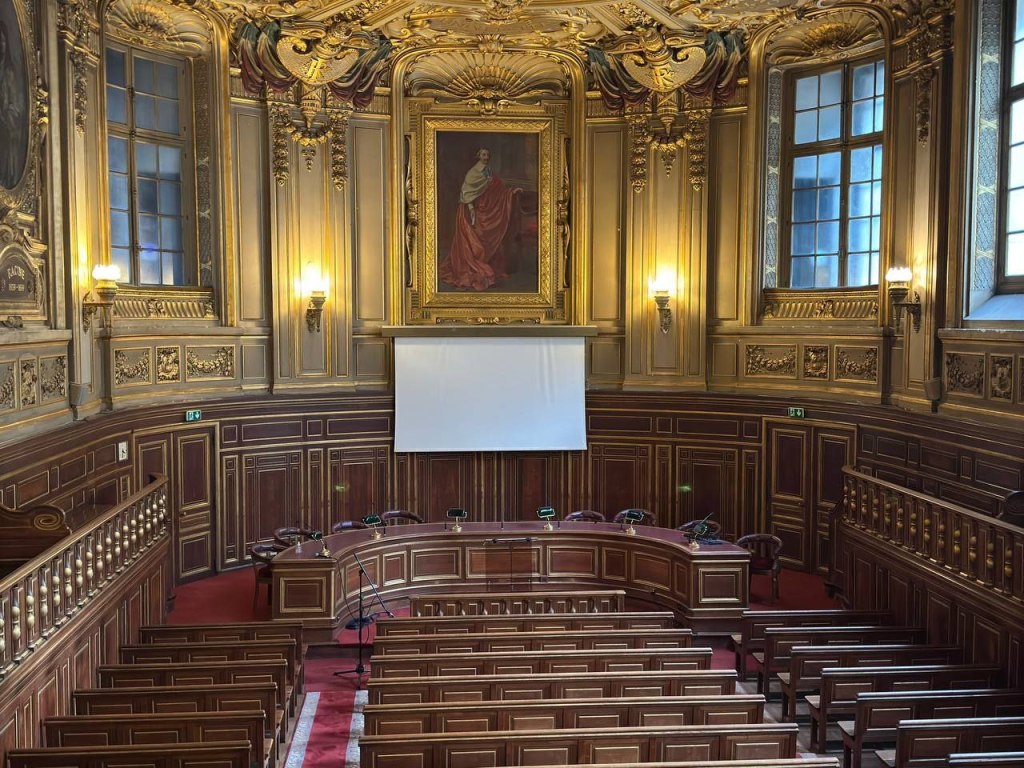
The university building is truly impressive with its magnificent architecture. Elements of classical style, adorned with sculptures and engravings, reflect the best traditions of French architecture. Particularly noteworthy is the main courtyard, where the colonnades and arches of the surrounding buildings create a profound and harmonious atmosphere. The light streaming through the windows illuminates the ancient walls, which seem to hold within them the knowledge accumulated here over centuries. The lecture halls, where world-renowned scientists and thinkers once taught, still seem to preserve their presence. The libraries, rich with thousands of volumes, serve as a reminder of the infinite world of knowledge. Indeed, studying at such a university is not just a wish, but an aspiration.
Pilgrimage to Notre-Dame de Paris
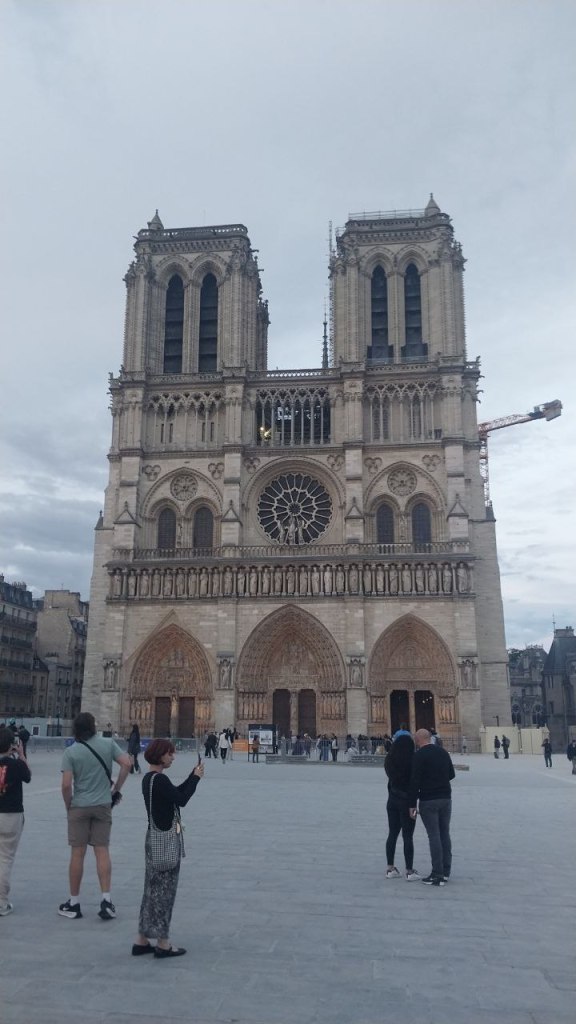
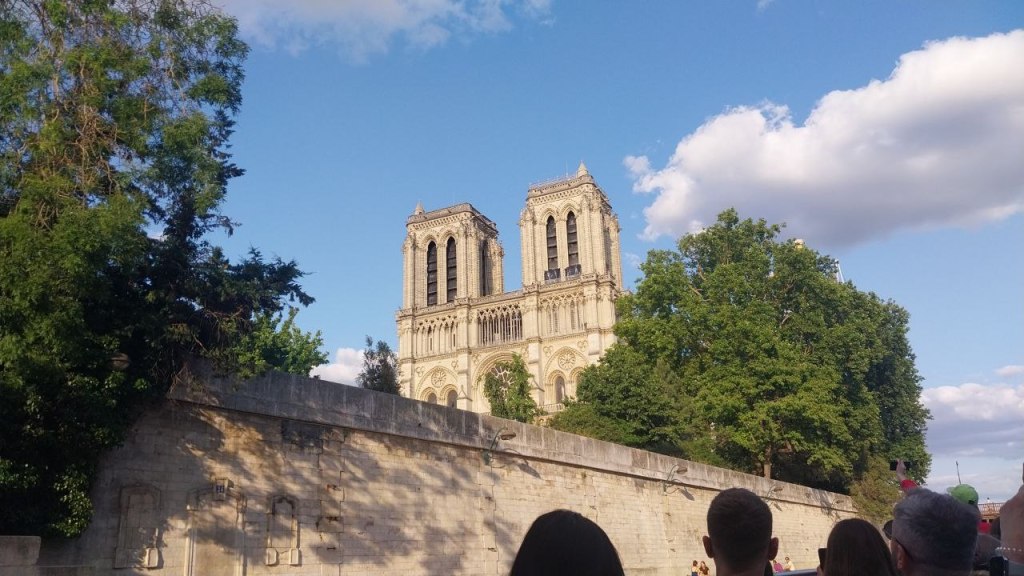
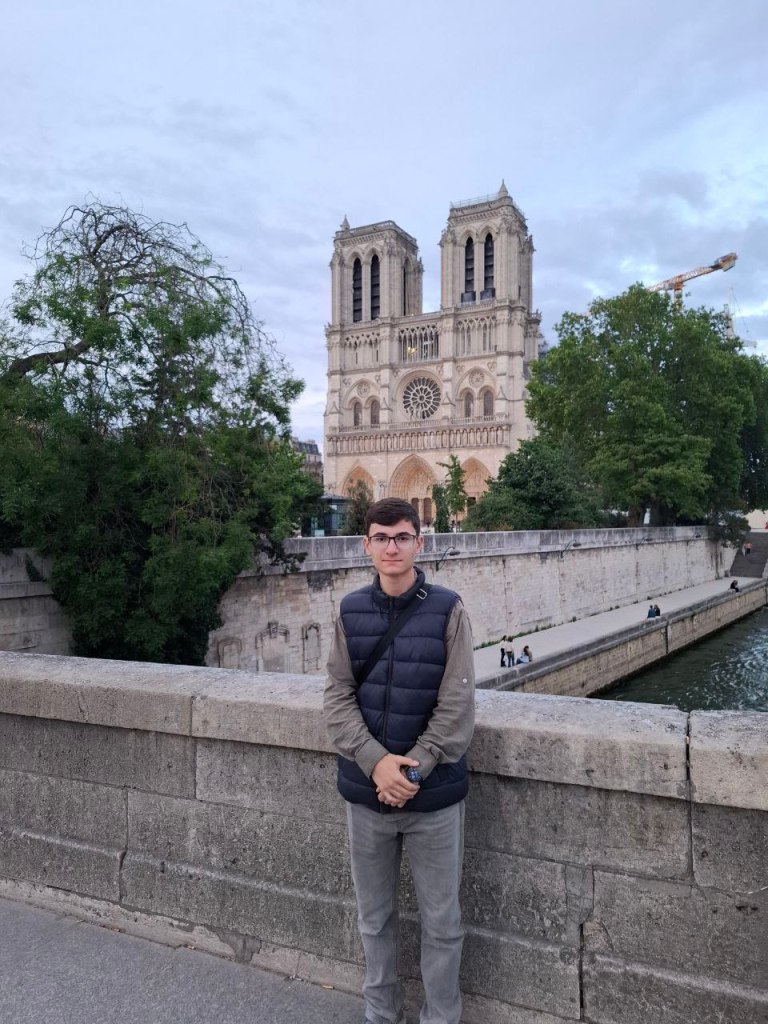
In the evening, we made a pilgrimage to Notre-Dame de Paris. Firmly standing on the Île de la Cité in the Seine River, Notre-Dame Cathedral is one of the masterpieces of Gothic architecture and one of France’s most famous symbols.
After the 2019 fire, the cathedral’s exterior changed significantly, especially its spire, which collapsed and is currently being restored to its original form.
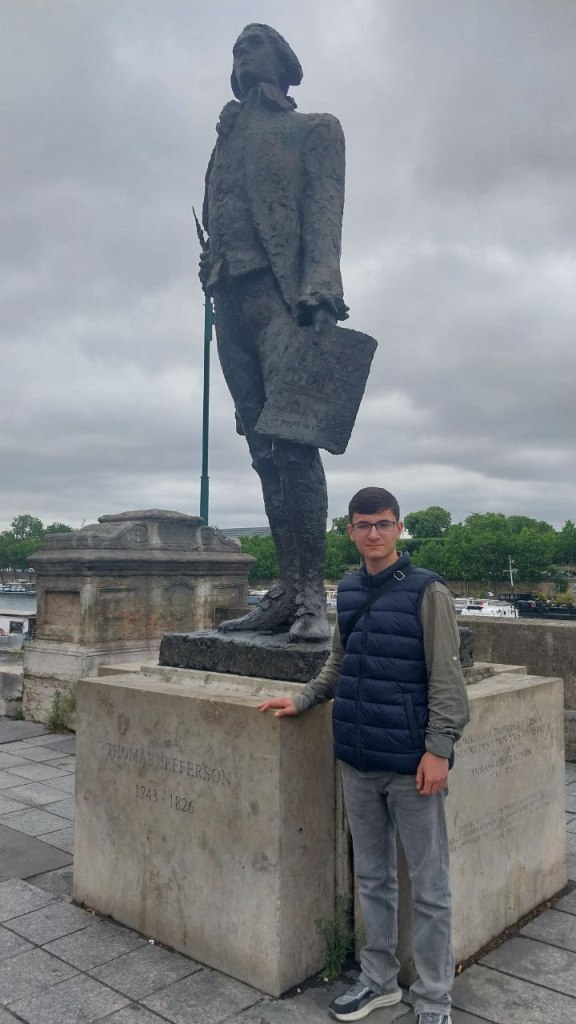
A walk about Paris will provide lessons in history, beauty, and in the philosophy of life.
Thomas Jefferson, 3rd U.S. President
Day VI / June 5
This day, compared to the others, was more significant due to the nature of our planned visits. On June 5, we had scheduled visits to France’s two highest legislative bodies: the Senate and the National Assembly.
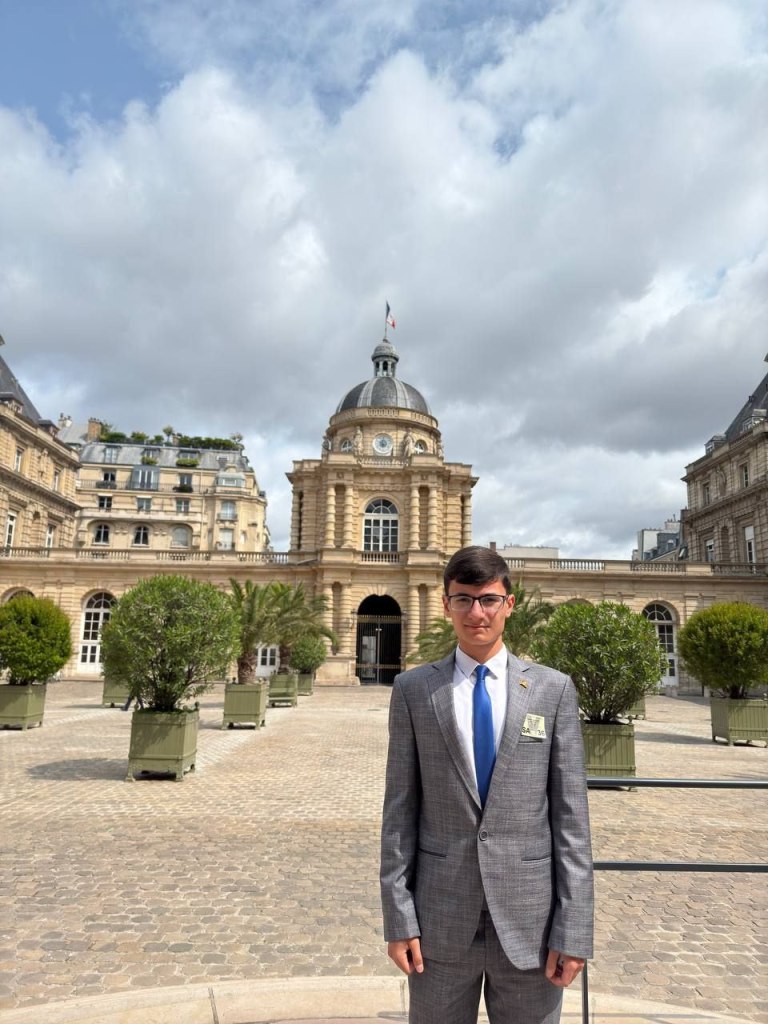
Upon reaching our first destination and passing all security checks, we finally found ourselves in the Senate courtyard. We were informed that the Senate holds greater legal power and authority than the National Assembly (although, for instance, in the U.S., the upper chamber is the House of Representatives). While members of the National Assembly are elected directly by the people, senators are elected by various political officials, simply put, by the political elite: mayors, governors, and others.
The Senate also resembled a museum, as numerous works of art adorned the building both inside and out. This demonstrated that politics and art are closely intertwined (after all, politics is an art in itself).
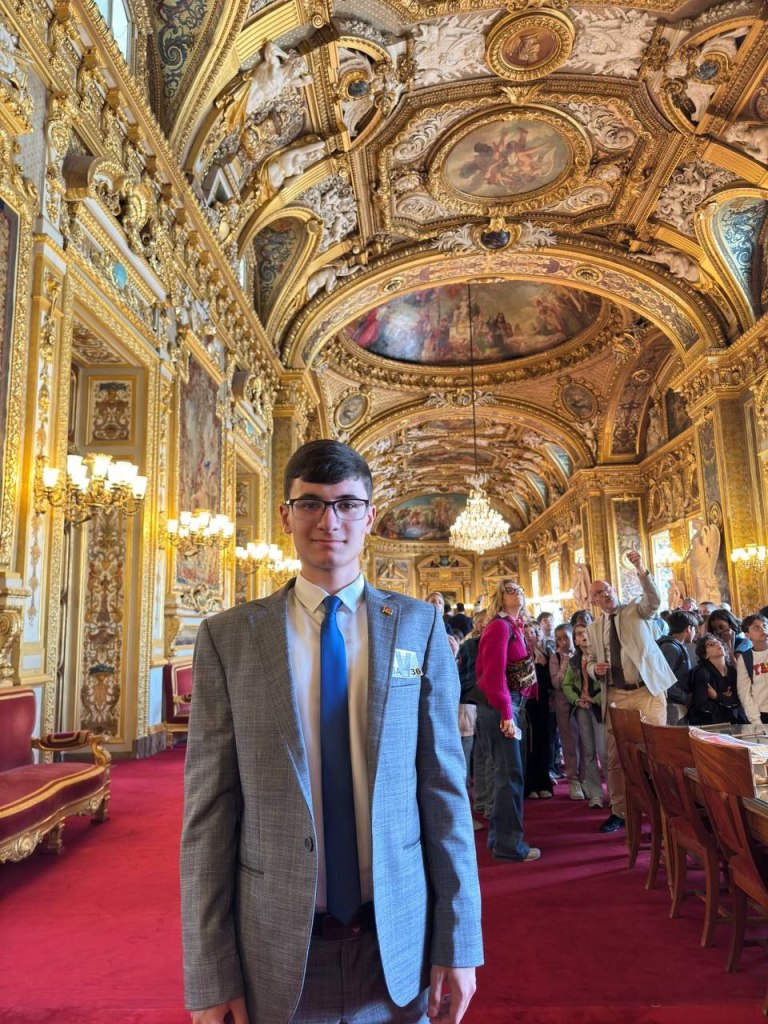
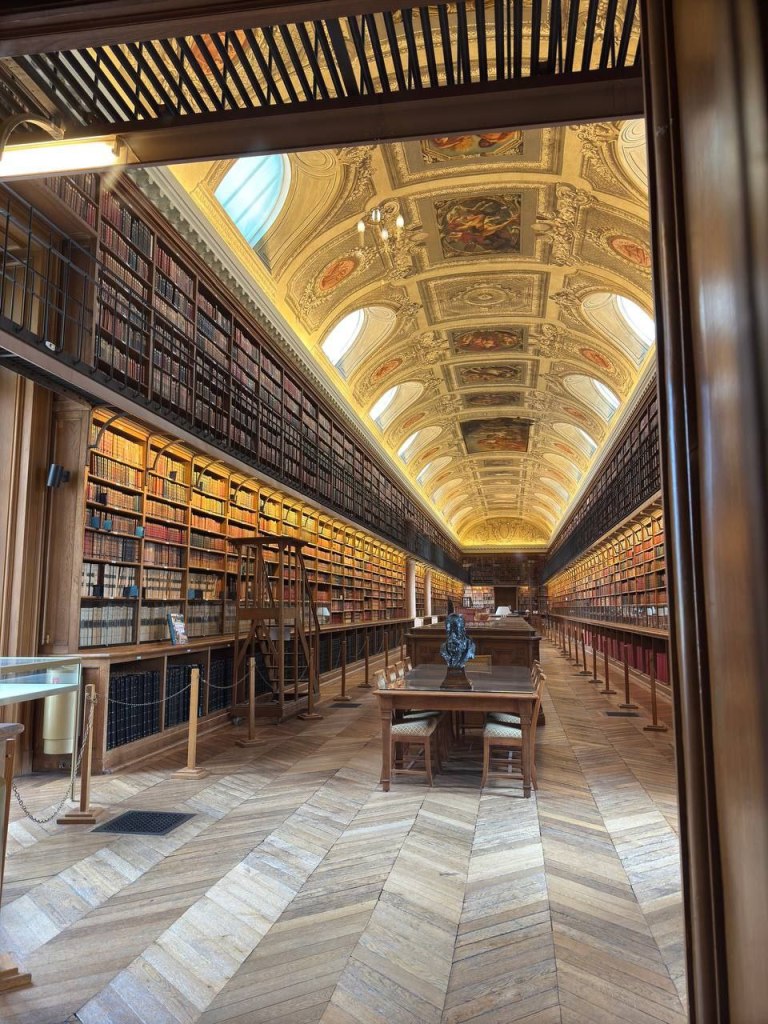
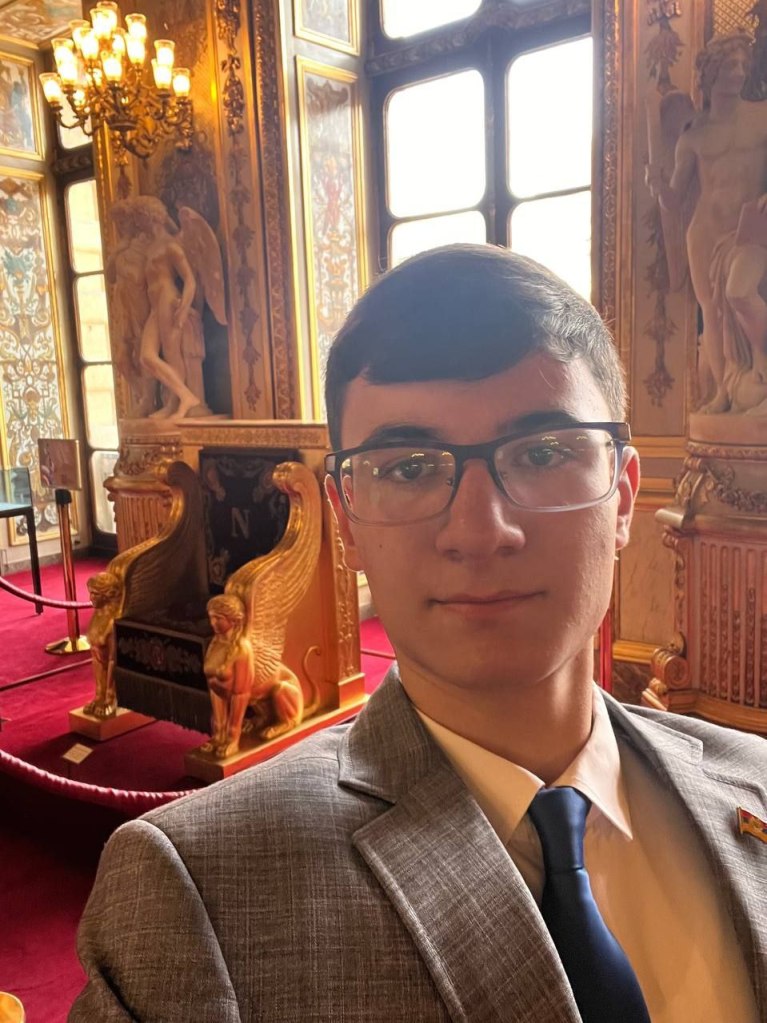
At the Senate, we were introduced to the session hall, its regulations, structure, and functions. We also had the opportunity to attend a Senate session from the viewing galleries. In addition to the above, we also visited the library and the ceremonial hall. In that very hall, in a secluded spot, Napoleon Bonaparte’s throne was located.
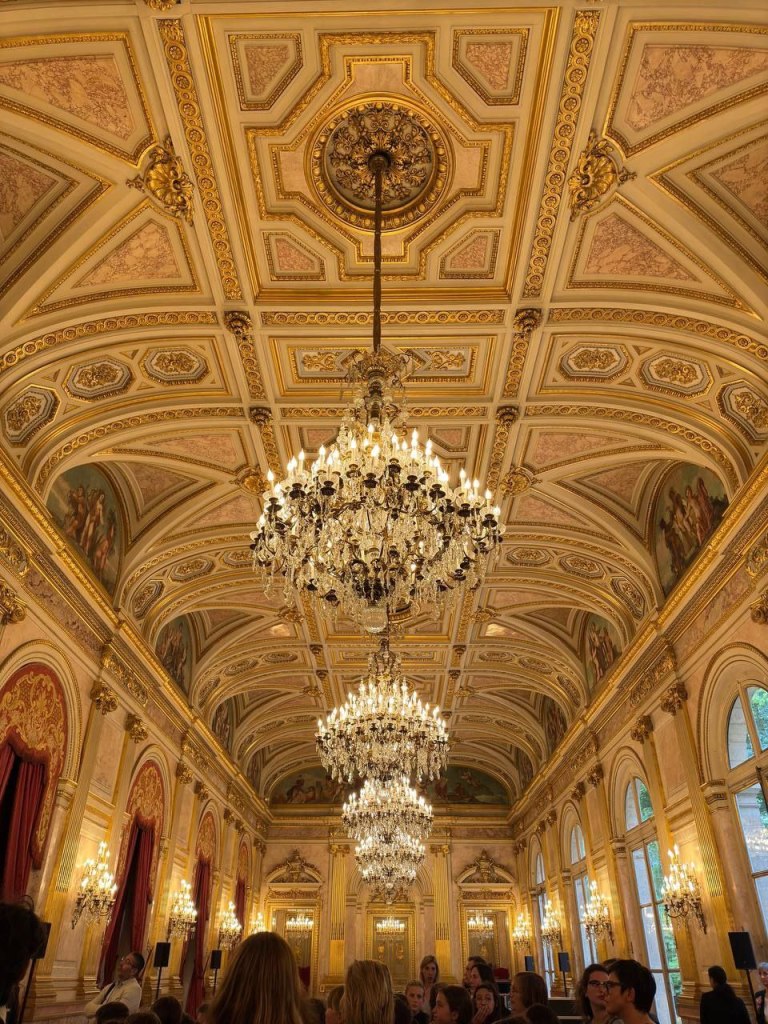
Notably, the National Assembly building was likened to the Garni Temple, a jewel of pagan architecture, with its columns, roof, and overall structure.
The French National Assembly (Assemblée Nationale) is located in the Palais Bourbon, in the heart of Paris on the Left Bank of the Seine River. This building itself is a powerful symbol, embodying France’s republican traditions and democratic values. The French National Assembly is not just a state institution, but a living symbol of the French ideals of liberty, equality, and fraternity.
During our tour, we discussed many interesting topics with the staff from the National Assembly’s Protocol Department, related to diplomatic protocol and the activities of executive and legislative bodies. The staff presented the French model of Q&A sessions between the National Assembly and the government, while we presented the Armenian model. During the discussions, we touched upon important issues such as visits by Armenian-French friendship groups and their outcomes, the oversight of government activities by legislative bodies and its effectiveness, the strengthening and dissemination of democratic values, the timelines and potential opportunities for signing an Armenian-French strategic partnership, and the means and feasibility of training relevant bodies in France.
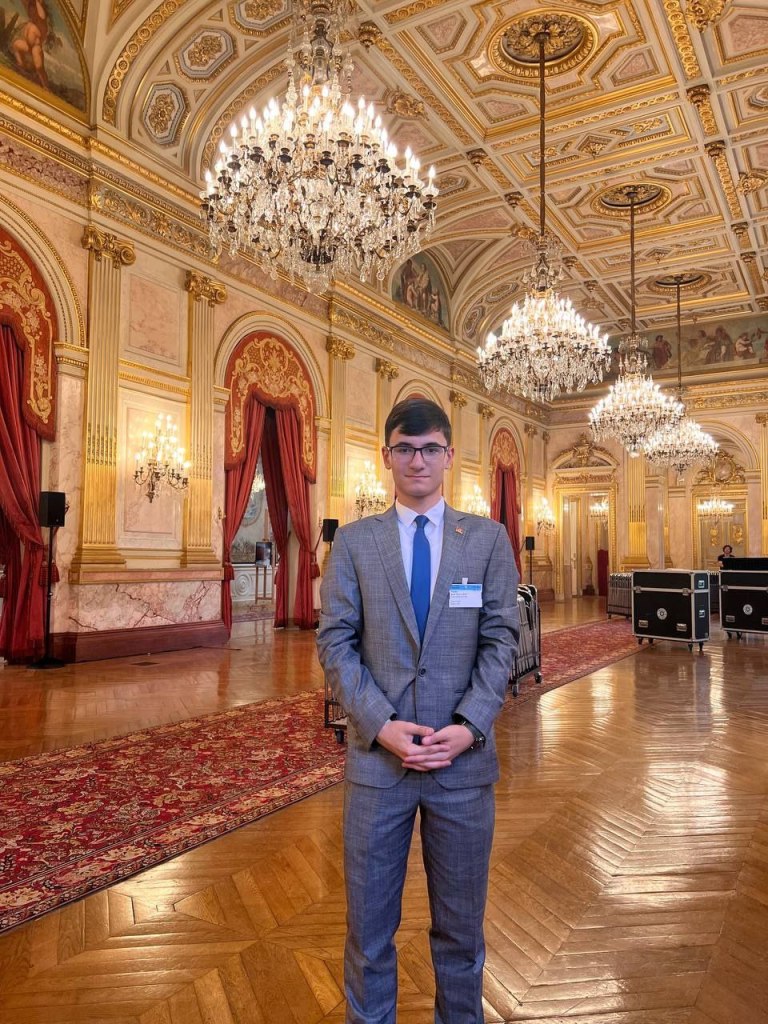
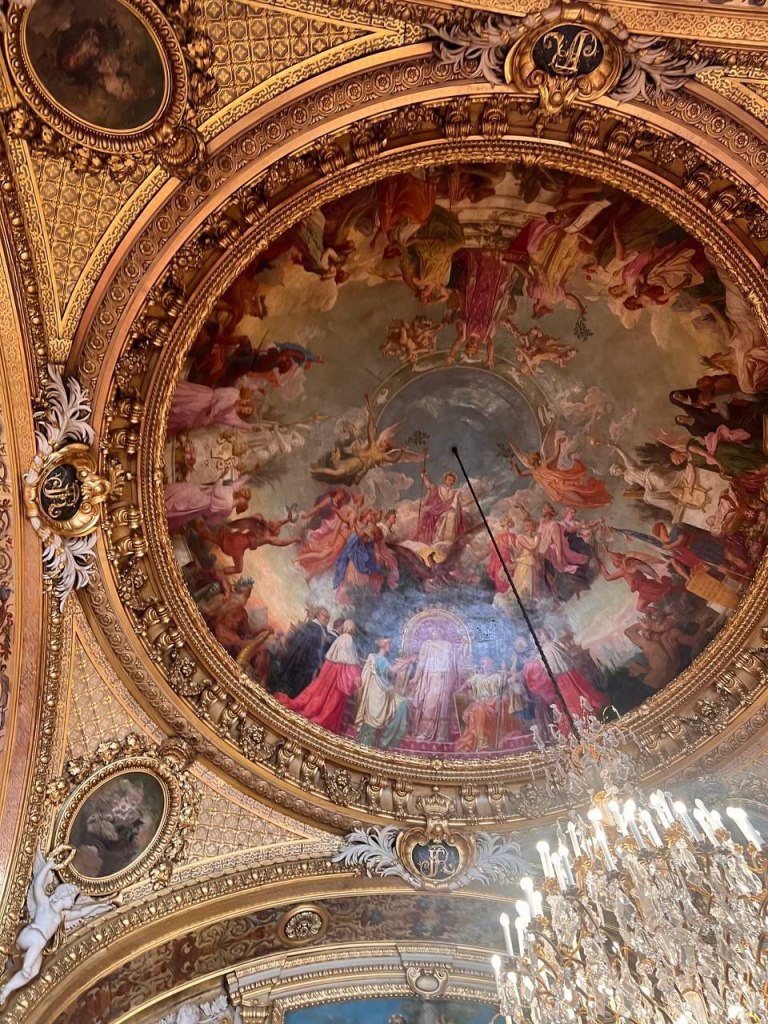
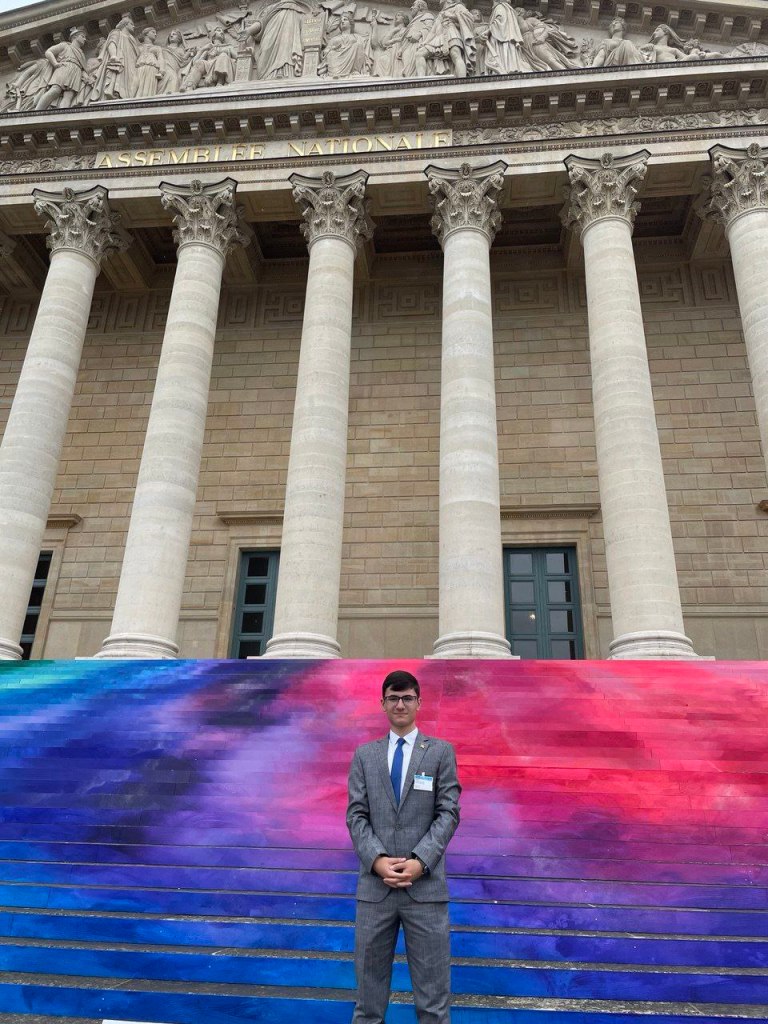
In the hall adjacent to the session chamber, we witnessed an unusual ceremony. According to information we received, France’s most elite military unit, preparing for the opening of the National Assembly session, positioned itself in the center of the hall according to military code and conducted inspection work. Following this, the commander of the troops, after inspecting the neatness and readiness of the personnel, reported to his superior that they were ready for the session’s opening. This was followed by the entry of the National Assembly’s presidium procession into the session hall, accompanied by lawyers. Notably, the lawyers walked in front, symbolizing that the law is always paramount and above all.
This is how the opening ceremony of each session is conducted, with the participation of elite troops. This further demonstrates France’s commitment as a strong and powerful state to upholding stable traditional, democratic, and cultural values, and to the rule of law. We were truly impressed by such a ceremony.
Finally, an agreement was reached for future cooperation between our organization and the relevant departments of the National Assembly to deepen Armenian-French friendly ties and strengthen our interaction.
Competition has been shown to be useful up to a certain point and no further, but cooperation, which is the thing we must strive for today, begins where competition ends.
Franklin Delano Roosevelt, 32nd U.S. President
Summary
I don’t have much to say about the last day, as it marked the end of our wonderful trip to Paris, the city of love, diplomacy, history, and culture. I sincerely hope we’ll meet again very soon, as I’m convinced it’s almost impossible to discover Paris and its every corner in just one week.
I want to express my deepest gratitude to Vruyr Hlghatyan, the founder and president of the YereMUN organization and my good and close friend, for his well-deserved appreciation and for providing this unique opportunity.
I extend my heartfelt thanks to my friend Pierre-Louis Giscard d’Estaing for his warm hospitality, for accompanying us, engaging in interesting conversations, and for introducing us to Paris more intimately.
I want to thank the following people for making my life brighter and giving me memorable days:
- Karlen Greyan
- Movses Simonian
- Milena Hovhannisyan
- Arpine Aghajanyan
- Eva Avanesyan
- Vladimir Shakaryan
- Narine Harutyunyan
- Alina Danielyan
And finally, I am grateful to my dear parents; without their support, I would never have participated in this dream journey.
© David Muradyan 08.06.2025
 Դավիթ Մուրադյան