
The BBC Rehearses The Queen’s Death Every Year
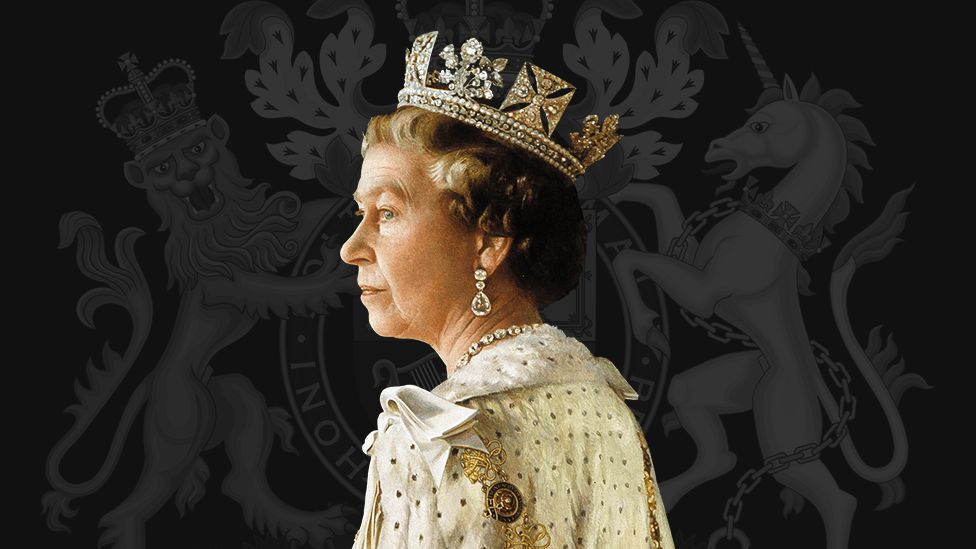
Since the 1960s, the British government has maintained a plan code-named Operation London Bridge. The plan details the actions of the British government immediately after the death of Queen Elizabeth II. Presumably, her death will be announced to the prime minister with the sentence “London Bridge is down.”
Taking a stand
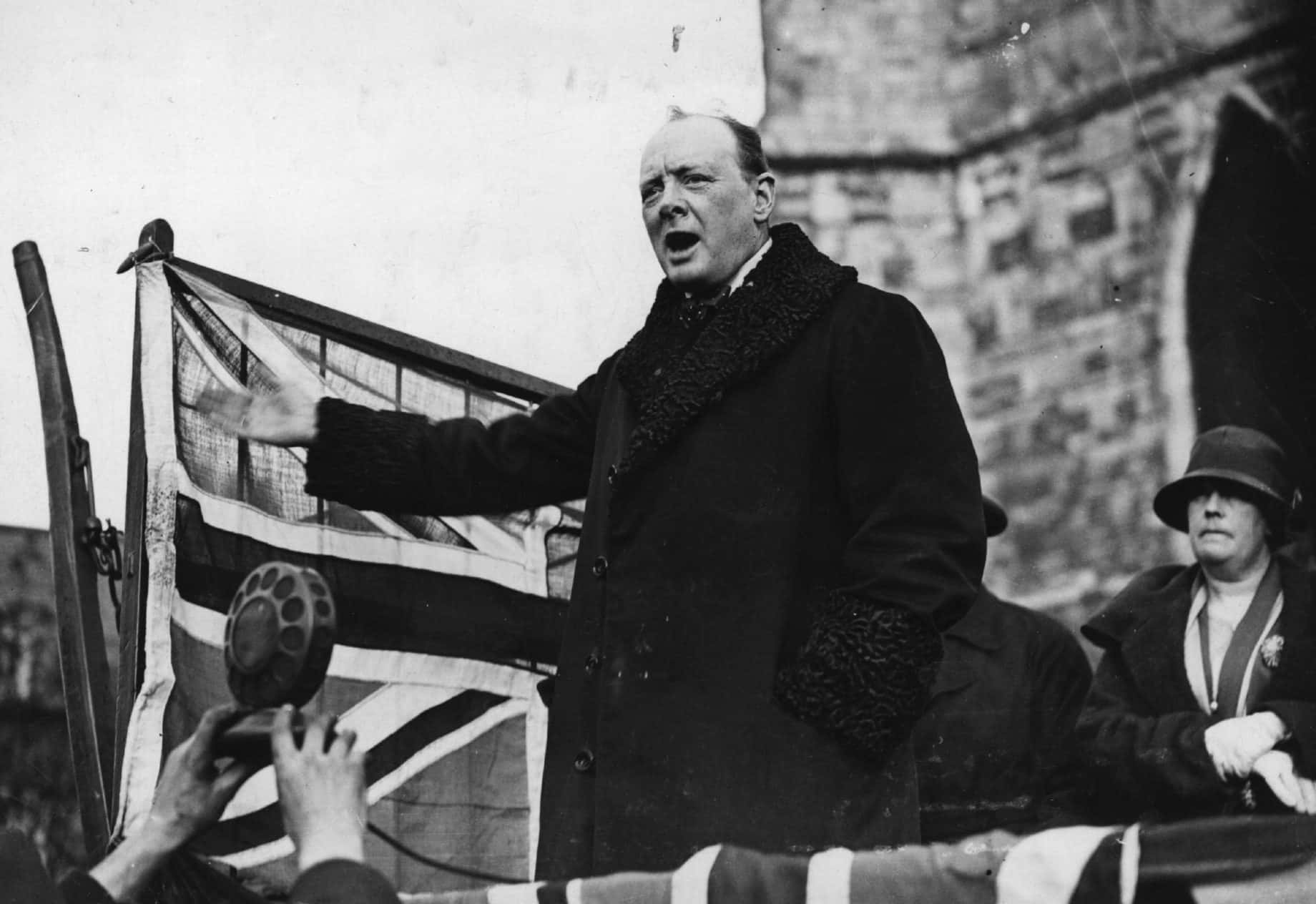
In 1926, the General Strike was launched by unions across the UK. The BBC attempted to stay neutral and report all sides of the issue in equal measure. However, the government blocked the BBC’s efforts to broadcast statements made by the Labour Party and union leaders. In retaliation, the BBC refused to air a statement by the Archbishop of Canterbury. Their efforts received some criticism, particularly from Winston Churchill, but the majority of people supported the BBC’s actions.
Funny, but not Savage
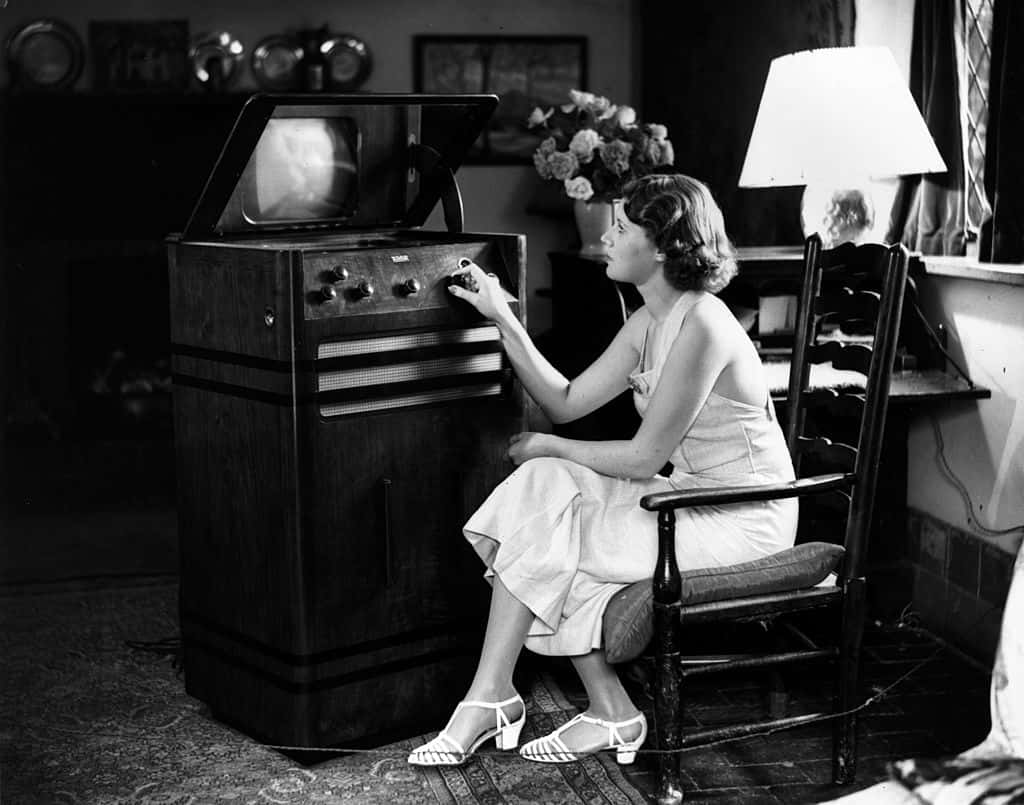
While the British were involved in World War Two, television broadcasting was suspended completely. In June 1946, when television broadcasting could resume, the BBC came back on a humorous note. Jasmine Bligh began the first program in six years with “Good afternoon, everybody. How are you? Do you remember me, Jasmine Bligh…?” A popular myth emerged that Bligh said “As I was saying before we were so rudely interrupted…” but this is sadly untrue.
Bigger and Older Than Ever!
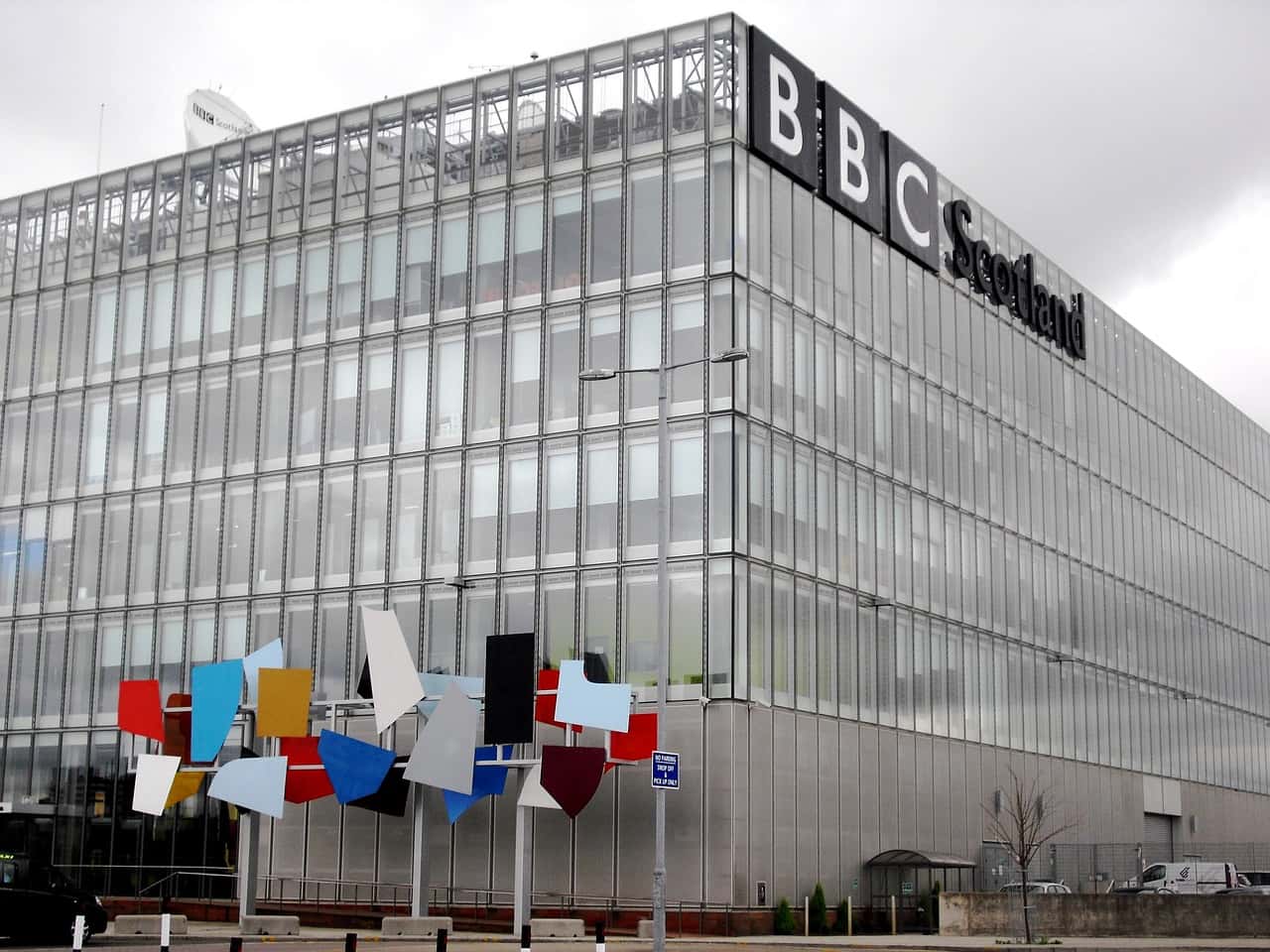
Not only is the BBC the world’s largest broadcaster by the number of people employed, but it is also the world’s oldest national broadcasting organization. It turned 98 years old in 2020!
Won’t Say No to the Gold!

Recently, a poll was done across 14 different countries, asking which TV station was the best overall. Out of 66 channels, the BBC took the number one spot!
So What’s the Other 4% Doing?
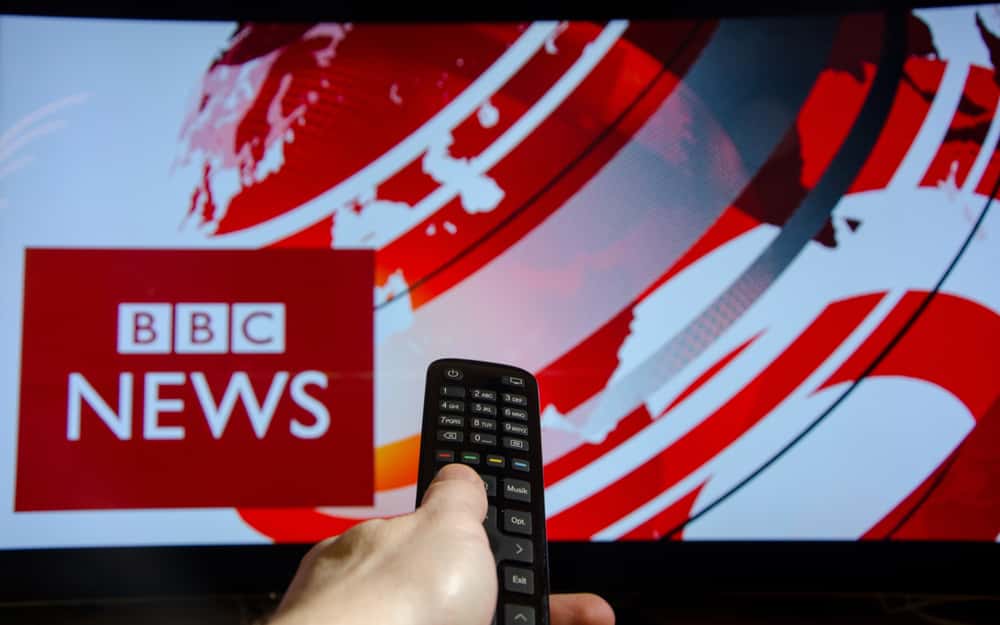
In total, 96% of the U.K.’s population either listens to or watches programs by the BBC. This includes two thirds of all adults in the U.K. who listen to BBC radio stations.
 Դավիթ Մուրադյան